Guwahati, Assam, India
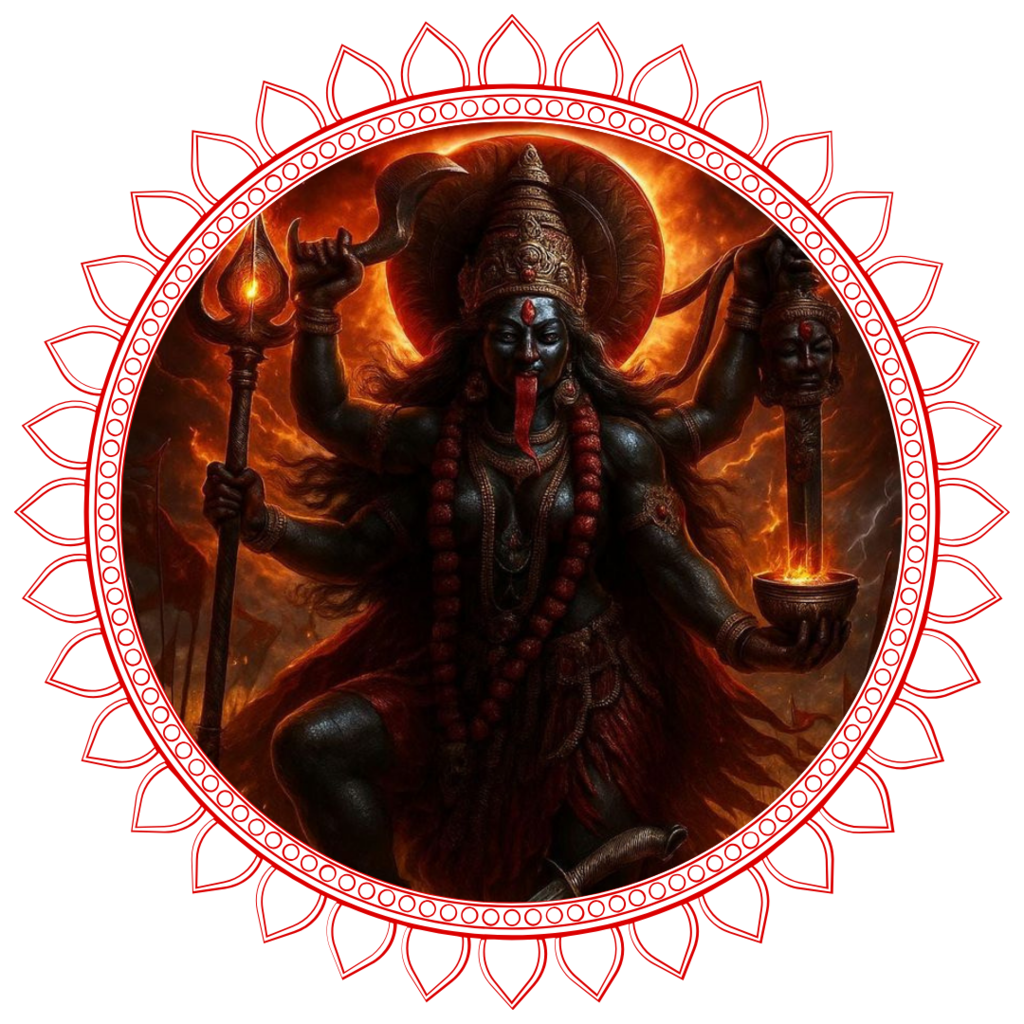
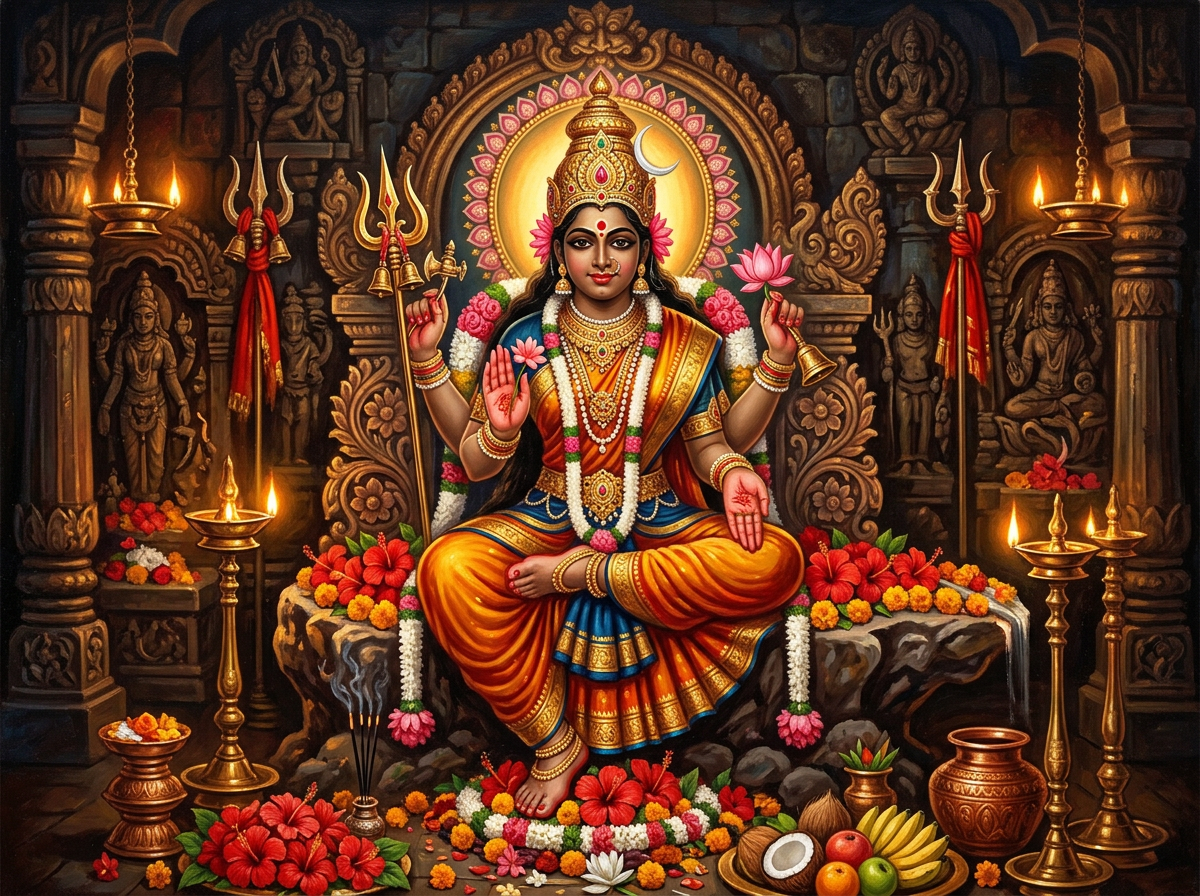
Kamakhya
Body partYoni (womb)
ShaktiKamakhya
BhairavaUmananda
Supreme tantric peetha; Devi as the source of cosmic creative energy. Hosts the Ambubachi Mela.
When Sati immolated herself in the fire of Daksha's yajna, Shiva carried her burnt body across the cosmos in unbearable grief. To free him from the dance of destruction, Vishnu's Sudarshana Chakra cut the body into fifty-one pieces. Wherever a piece fell, the earth became a Shakti Peetha — a living seat of the Goddess. These pages are a pilgrim's guide to all of them.
Sati, daughter of Daksha and beloved of Shiva, was insulted at her father's grand sacrifice when Shiva was deliberately not invited. Unable to bear the public dishonour of her Lord, she walked into the sacrificial fire. Shiva tore through the heavens in grief, lifted her body onto his shoulder and began the Tandava — the dance whose final beat would unmake the worlds.
To save creation, Vishnu released his Sudarshana Chakra. The discus circled the body of Sati and divided it into fifty-one parts. Each part fell to the earth at a different place; with it fell an ornament, a fingertip, a strand of hair, a tooth, an eye. At every spot Devi rose again as a particular Shakti, and Shiva remained beside her as a particular Bhairava — guardian of that very place.
For thousands of years, pilgrims have walked from peetha to peetha, knowing that the Mother is not a metaphor here but a living presence. To stand at a Shakti Peetha is to stand on a piece of her body — and to feel, very faintly, the ancient love of Shiva still keeping watch.
All 51 Peethas
Each card lists the body part that fell, the form of the Devi worshipped there, and the Bhairava who guards her.
Supreme tantric peetha; Devi as the source of cosmic creative energy. Hosts the Ambubachi Mela.
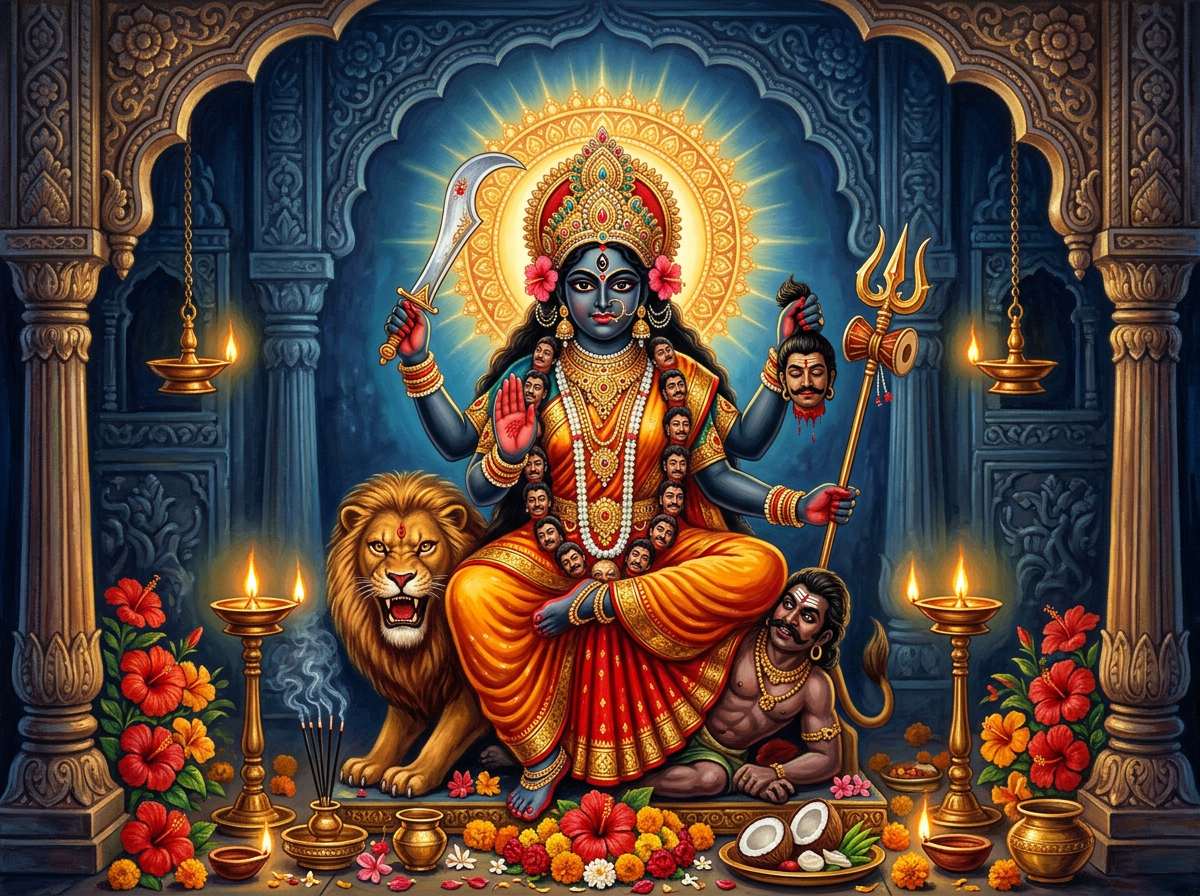
Heart of Bengali Shakta worship; Kali as the destroyer of ego and time.
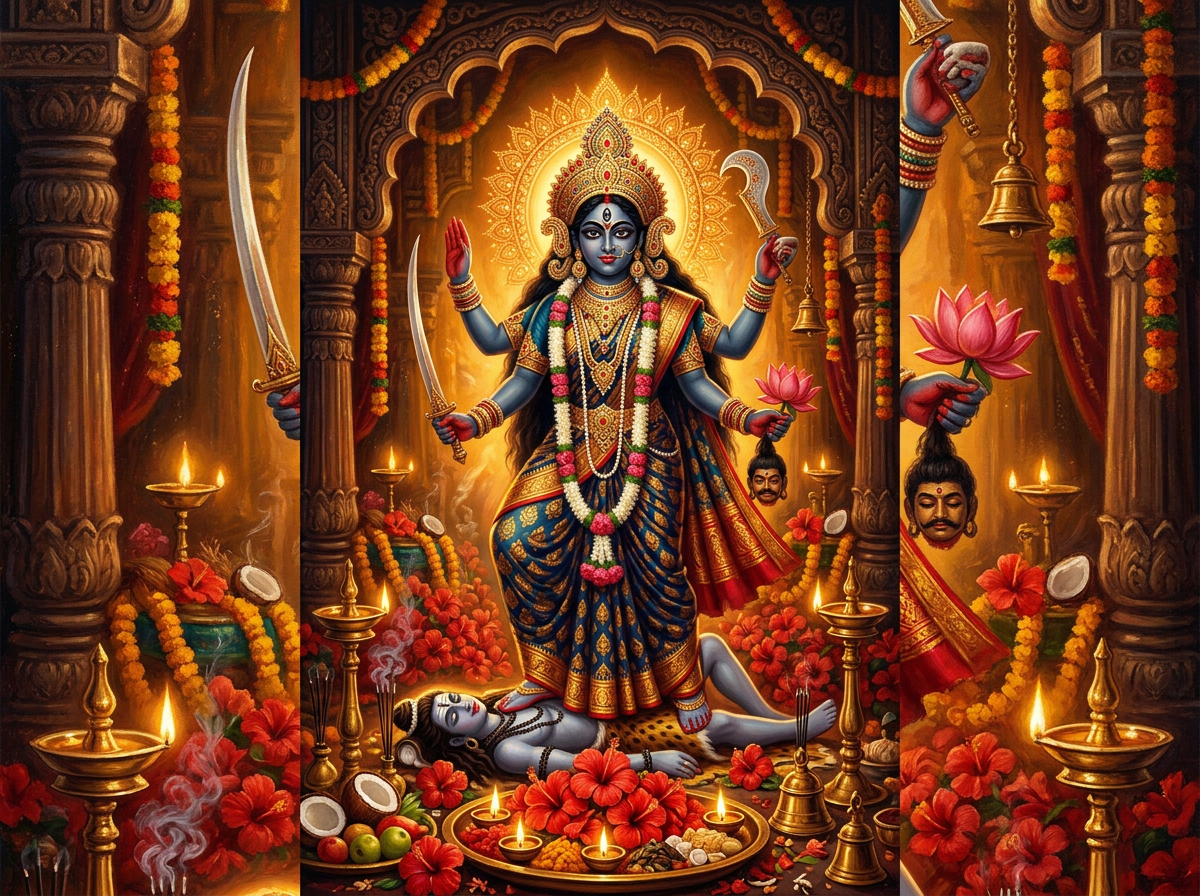
Cremation-ground peetha of Tara, the compassionate guide across the ocean of existence.
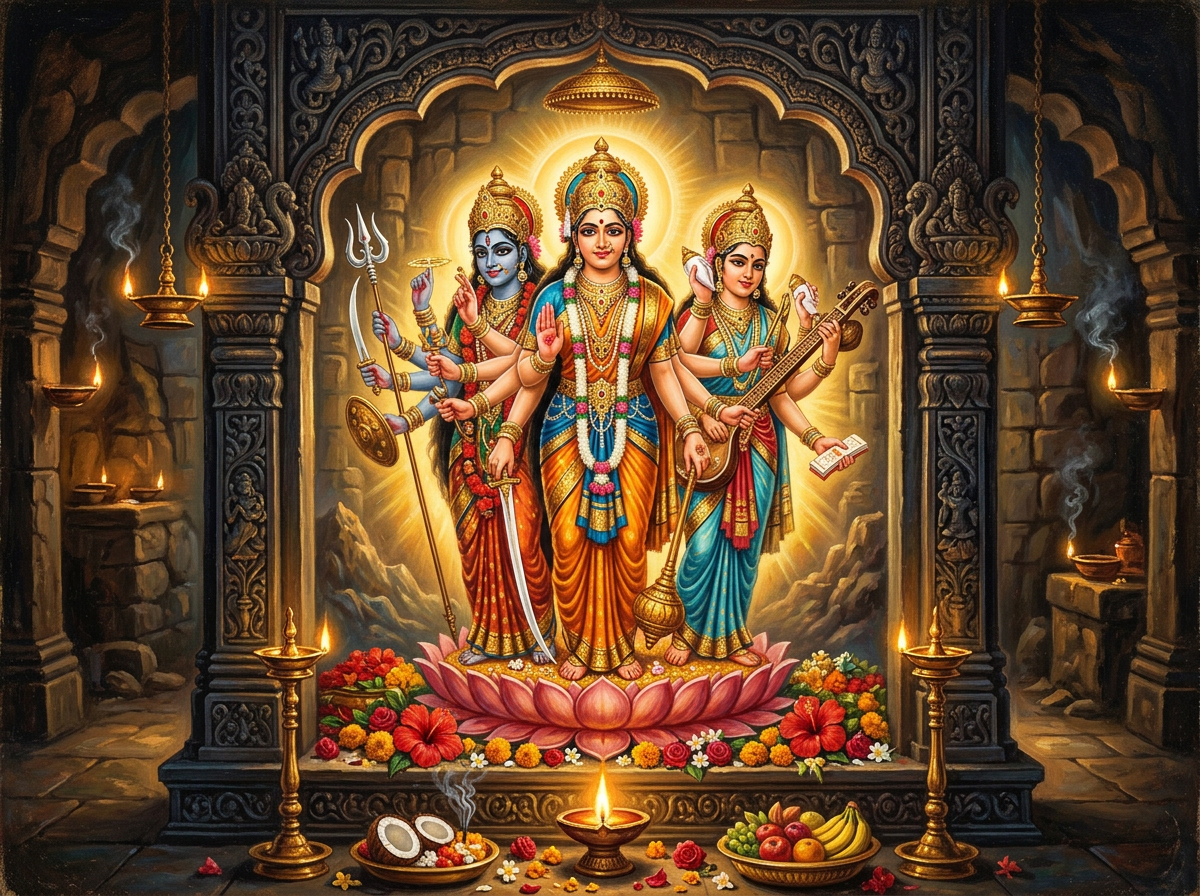
Cave shrine of the unified three-fold Devi; one of the most visited pilgrim sites on earth.
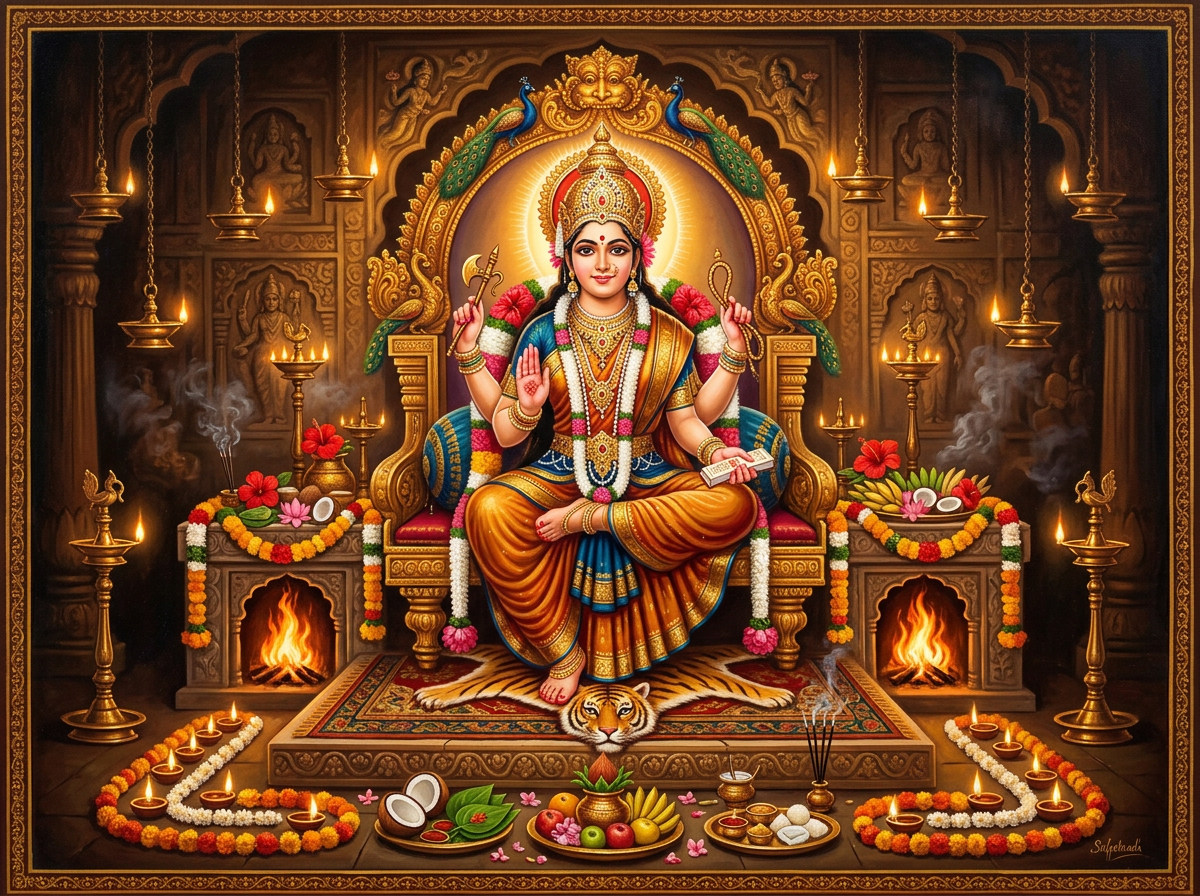
Eternal natural flames worshipped as Devi's living tongue of wisdom.
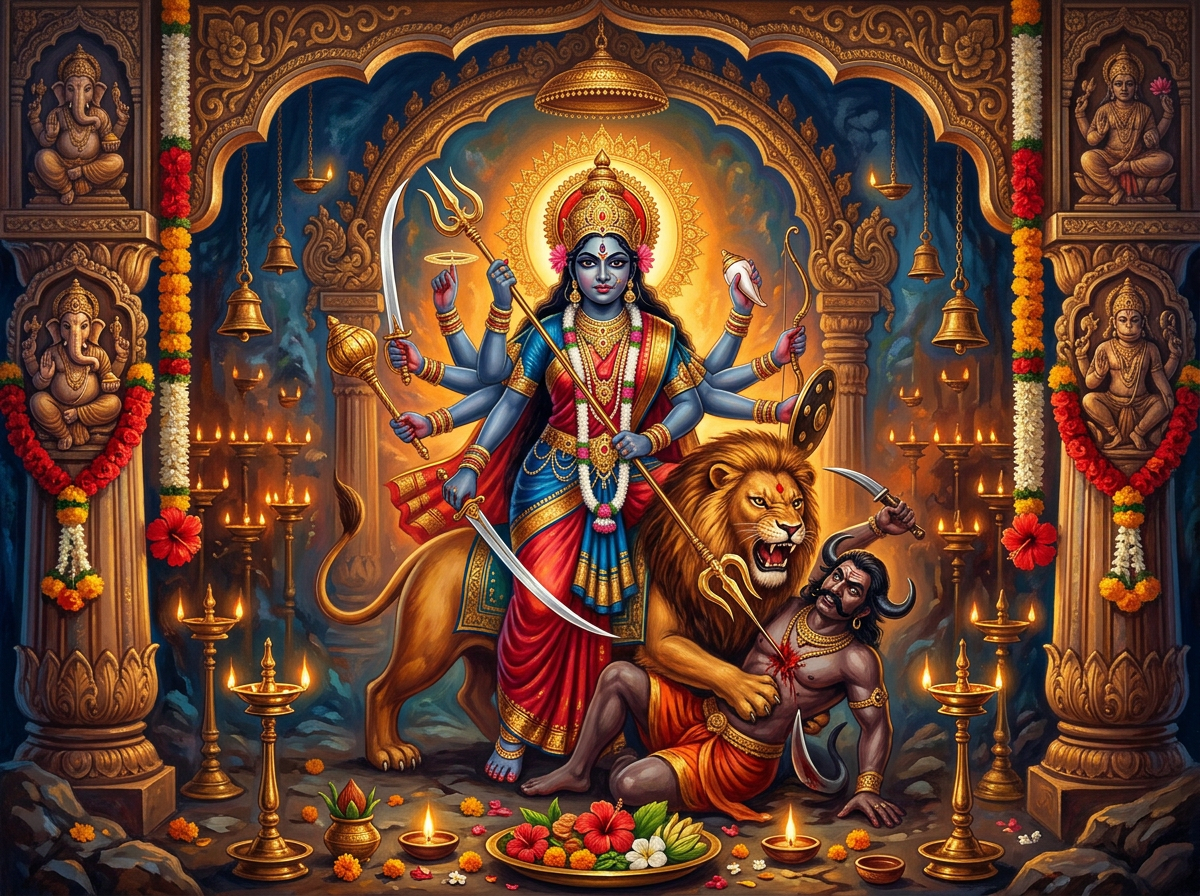
Devi as the all-seeing eye, protector against demonic forces.
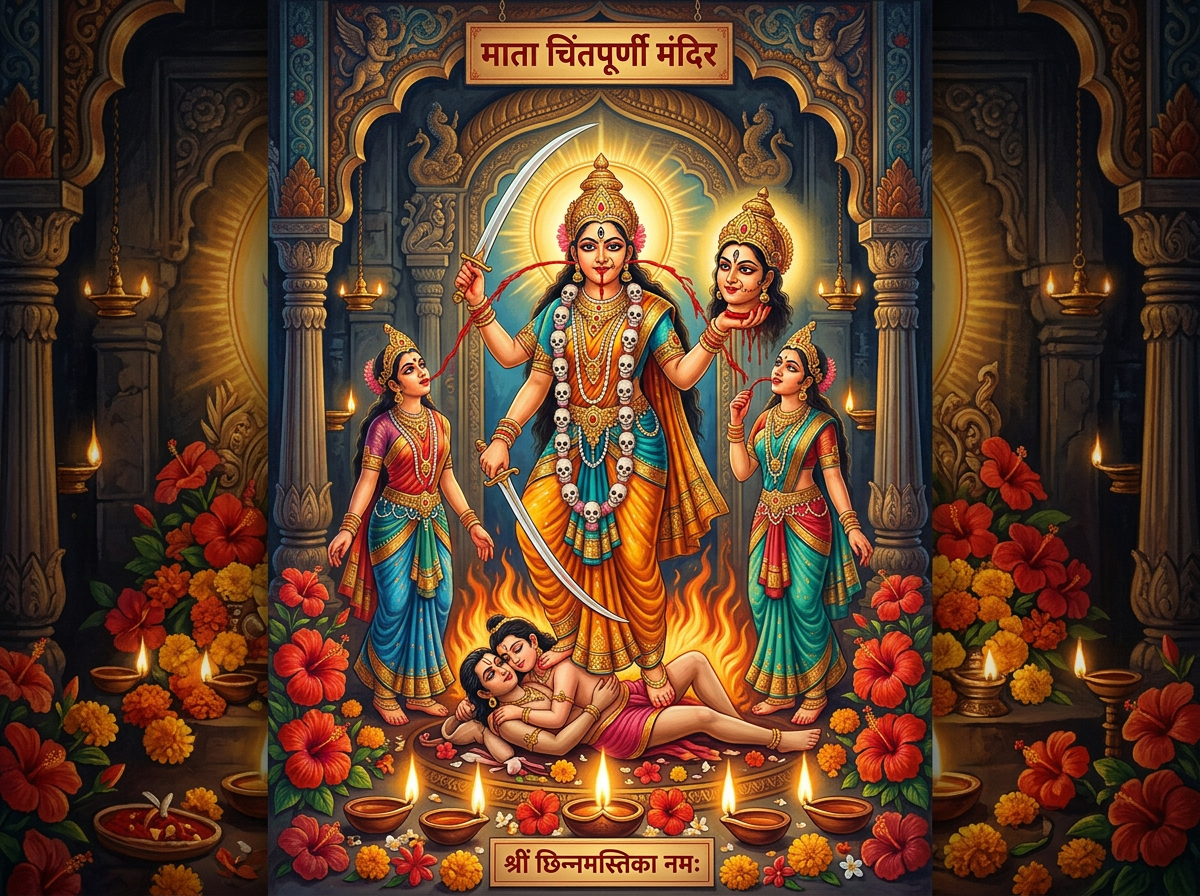
Devi who removes worry — Chinnamasta, the self-sacrificing form of compassion.
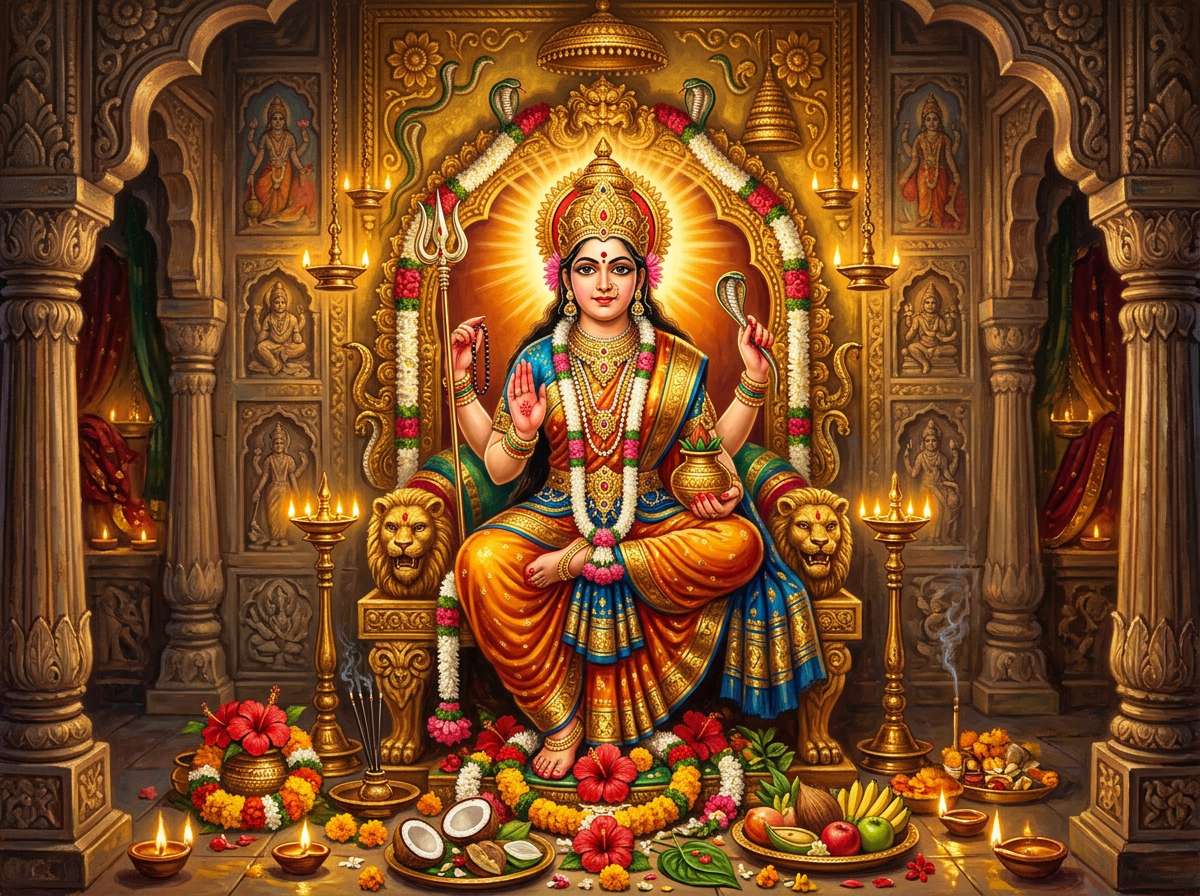
Wish-fulfilling Devi seated atop Bilwa hill near Ganga.
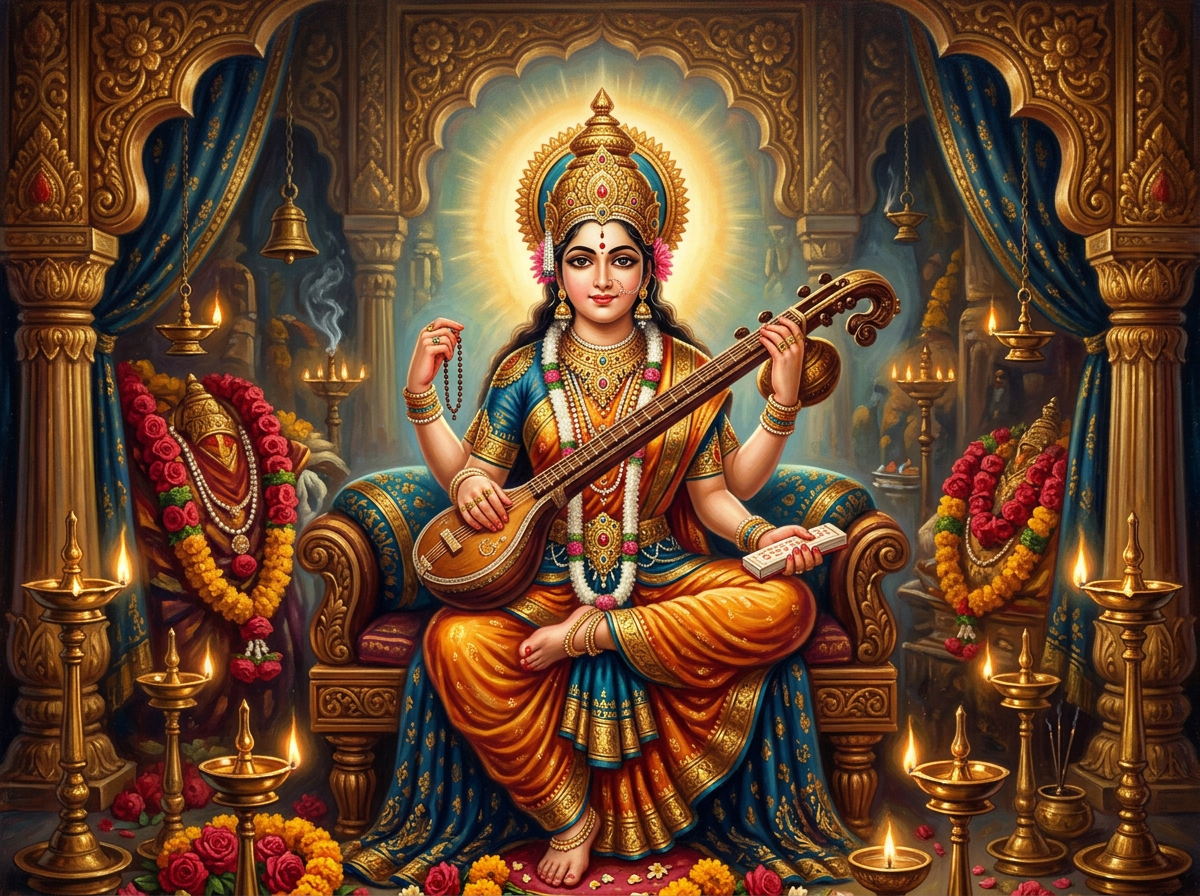
Ancient seat of learning; Devi as goddess of speech and wisdom.
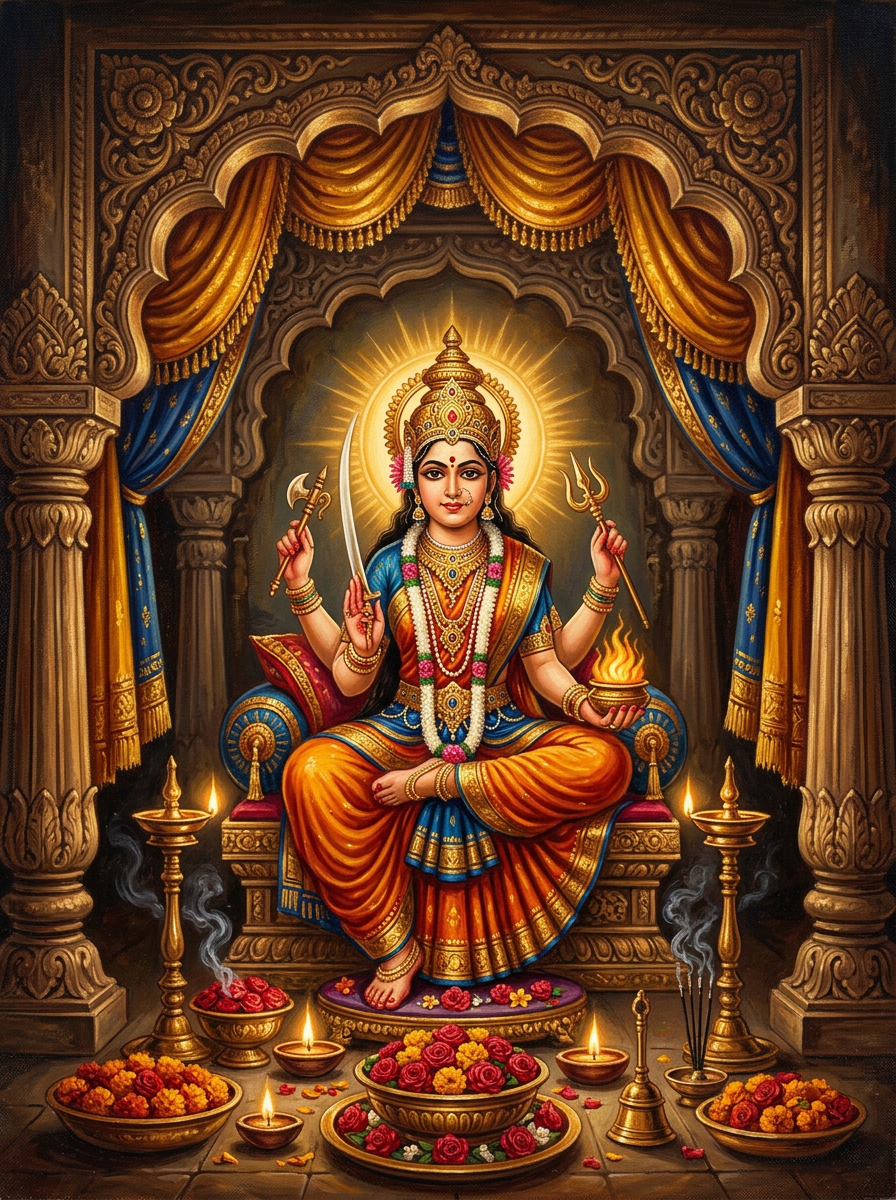
Cave shrine in the desert mountains; Devi as the source of all syllables.
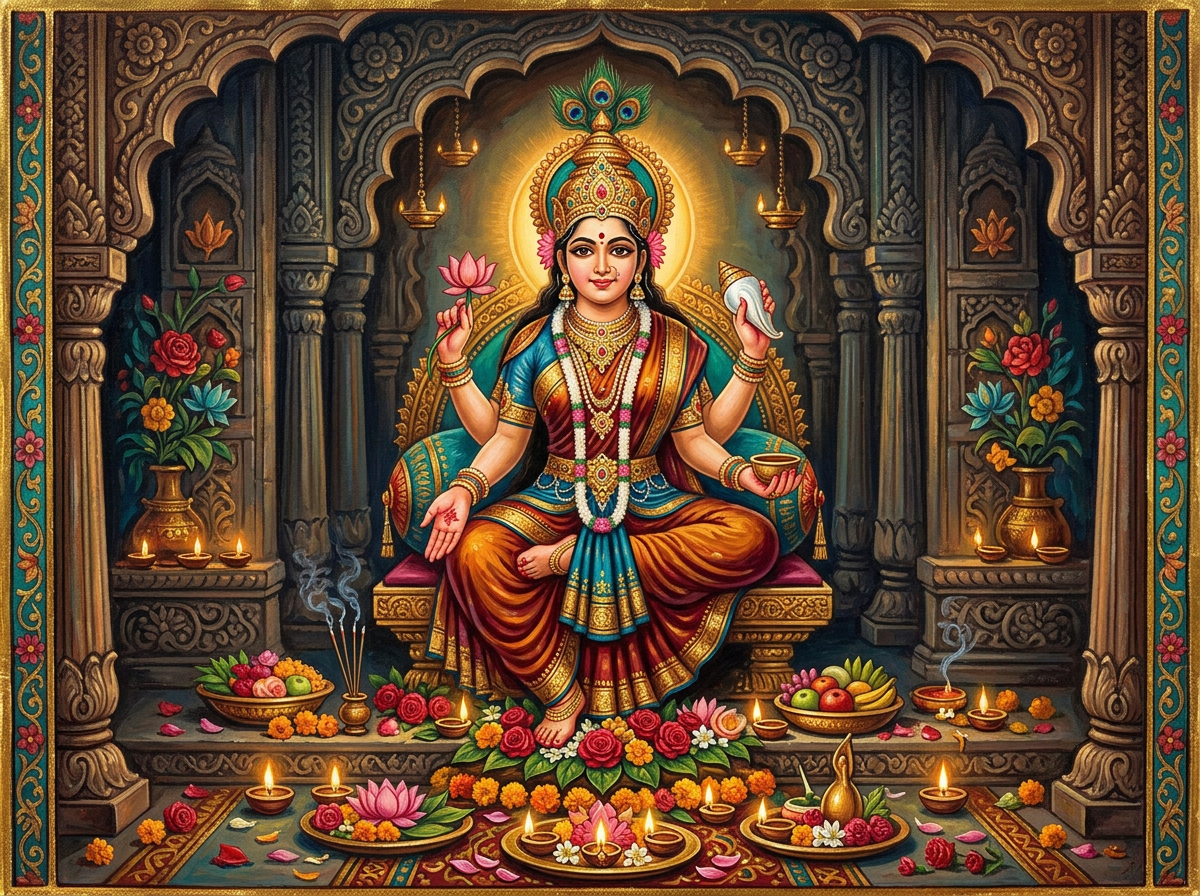
Devi of fragrant grace by the river Sondha.
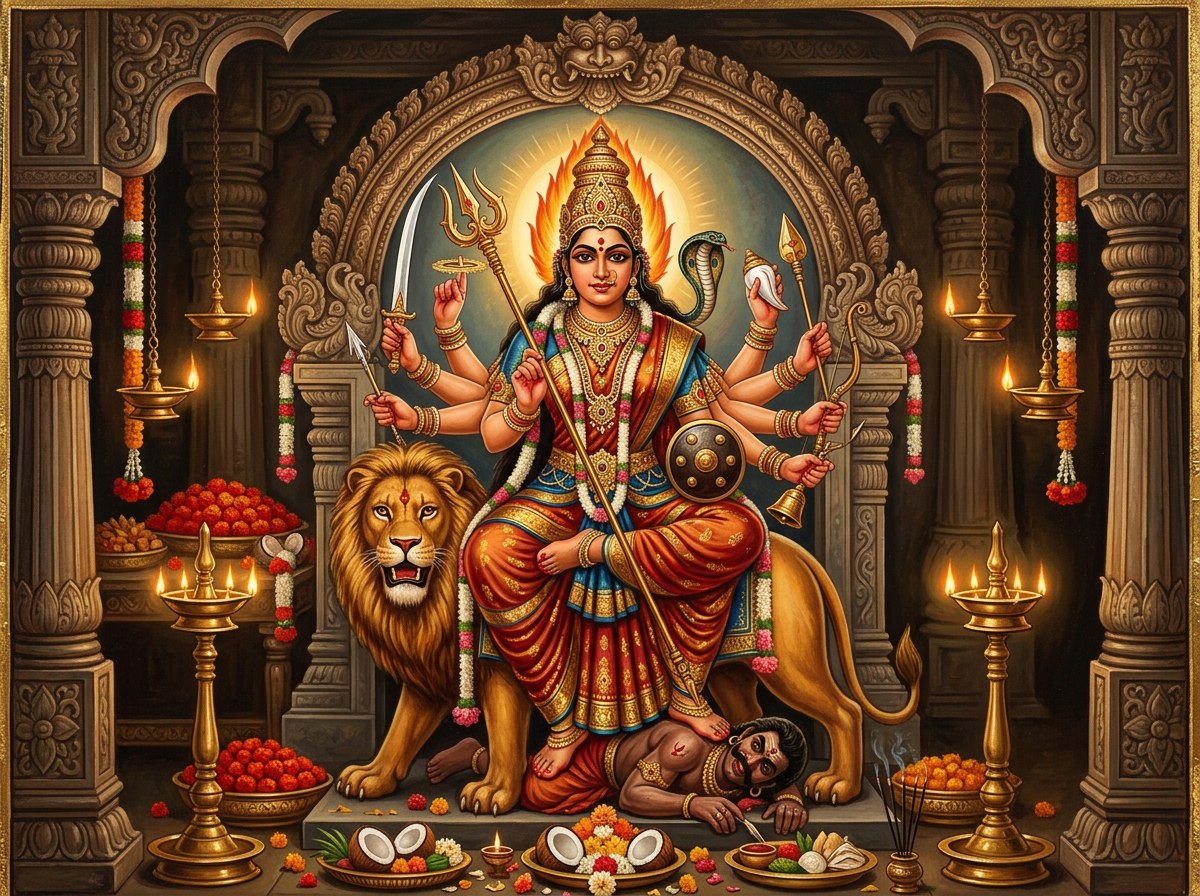
Royal Devi who slew Mahishasura on Chamundi hill.
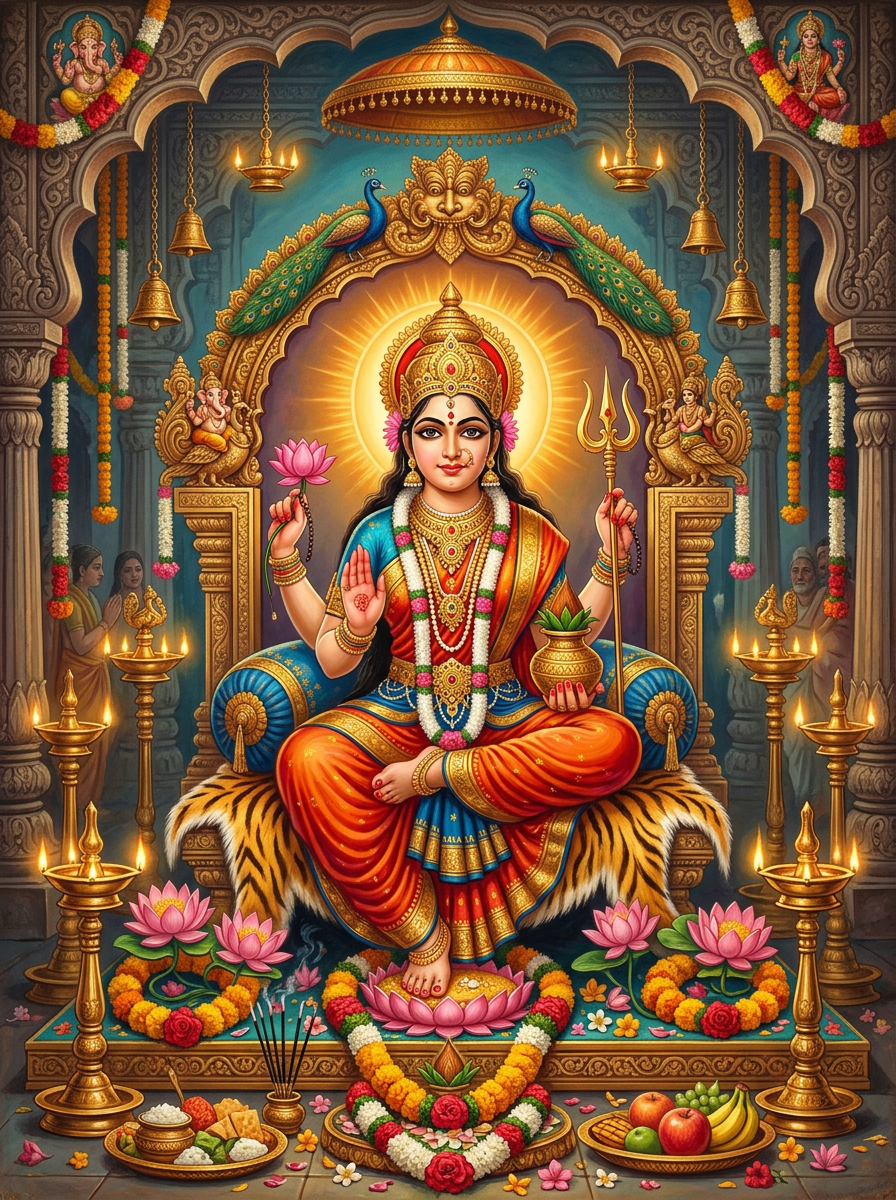
Wide-eyed Devi of Kashi, the city of liberation.
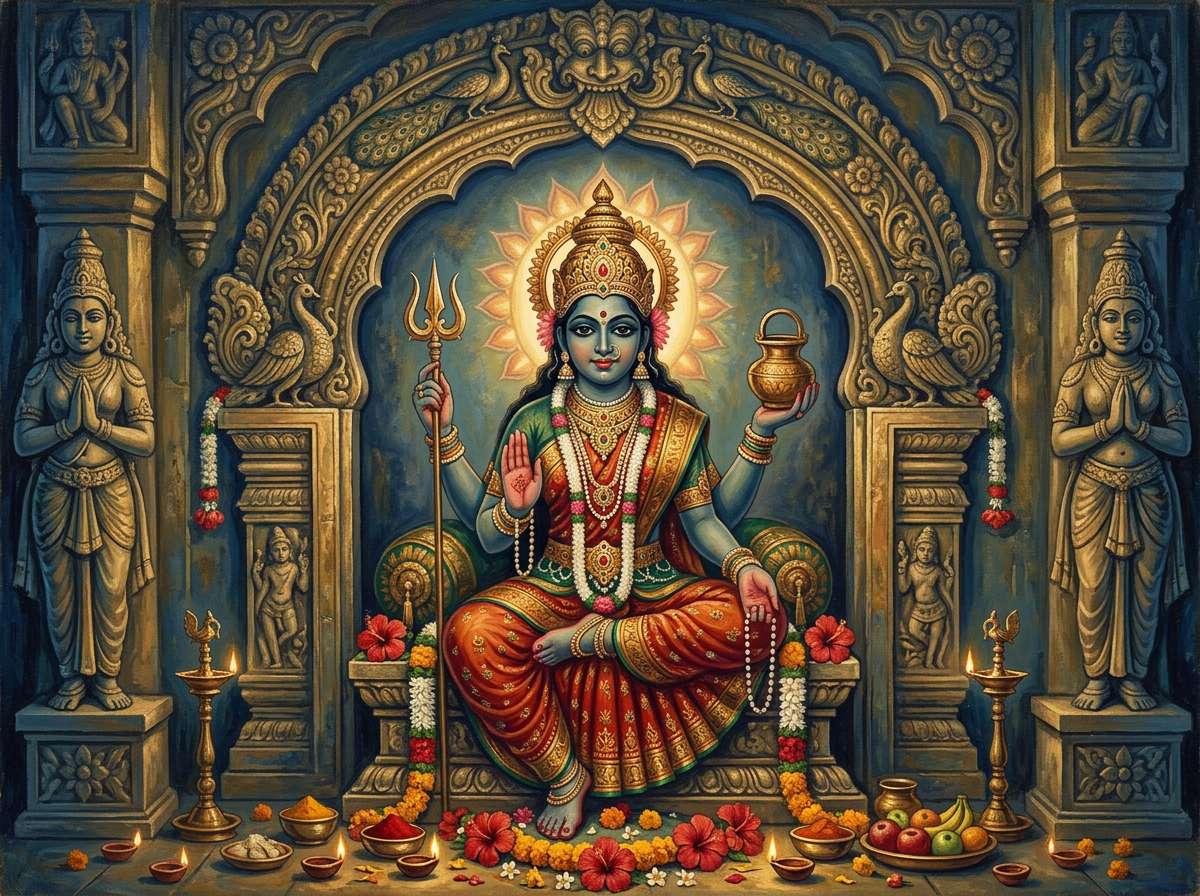
Auspicious Gauri, source of marital harmony and ancestral peace.
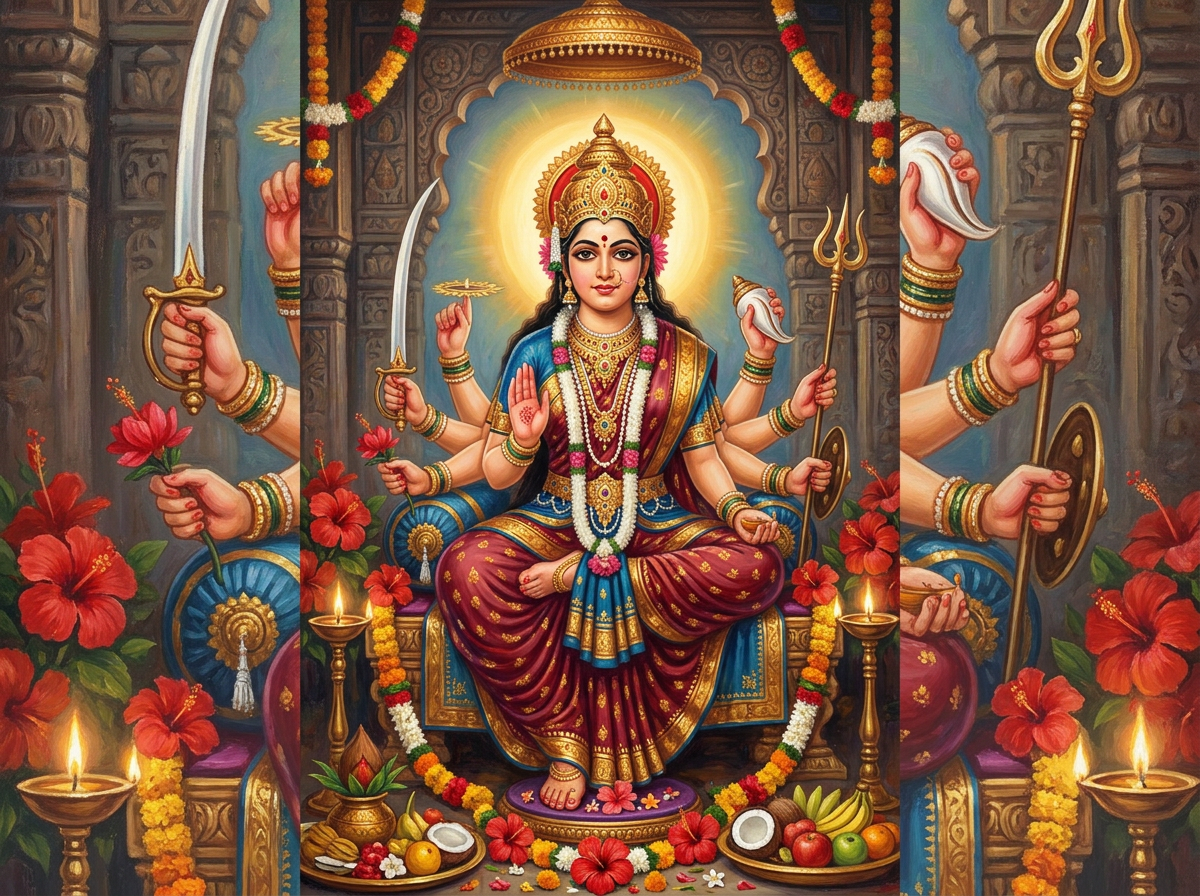
Royal tutelary Devi of King Vikramaditya; protector of Ujjain.
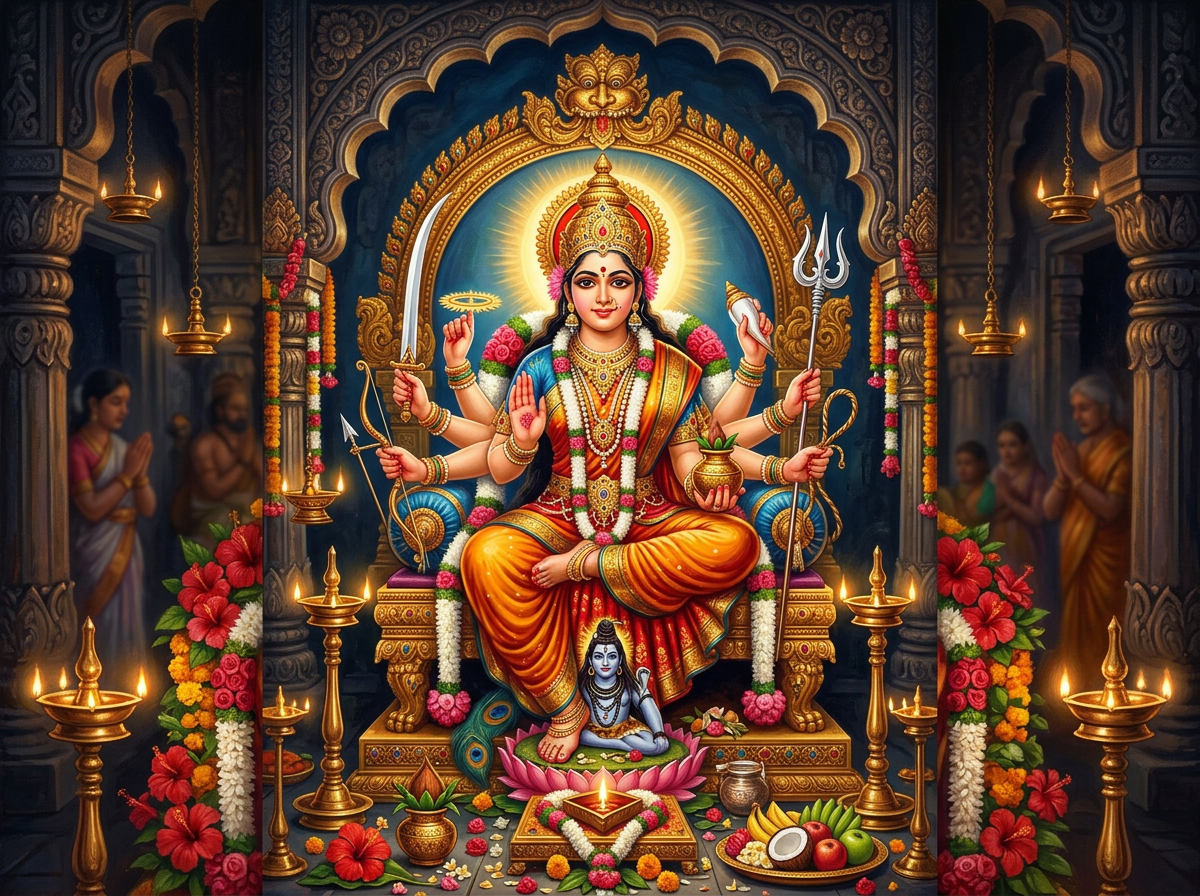
Devi who garlands the three worlds with her grace.
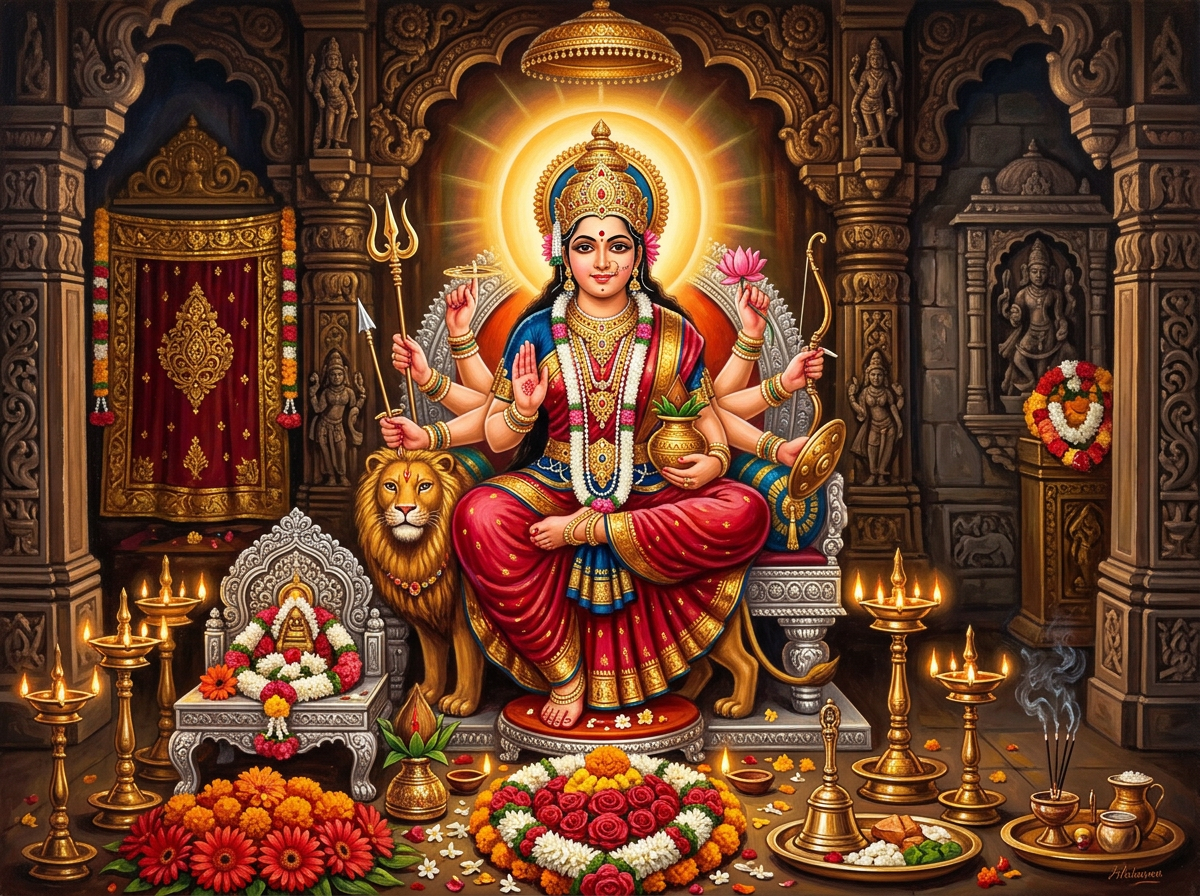
Iconless Yantra of the Devi worshipped as the cosmic mother.
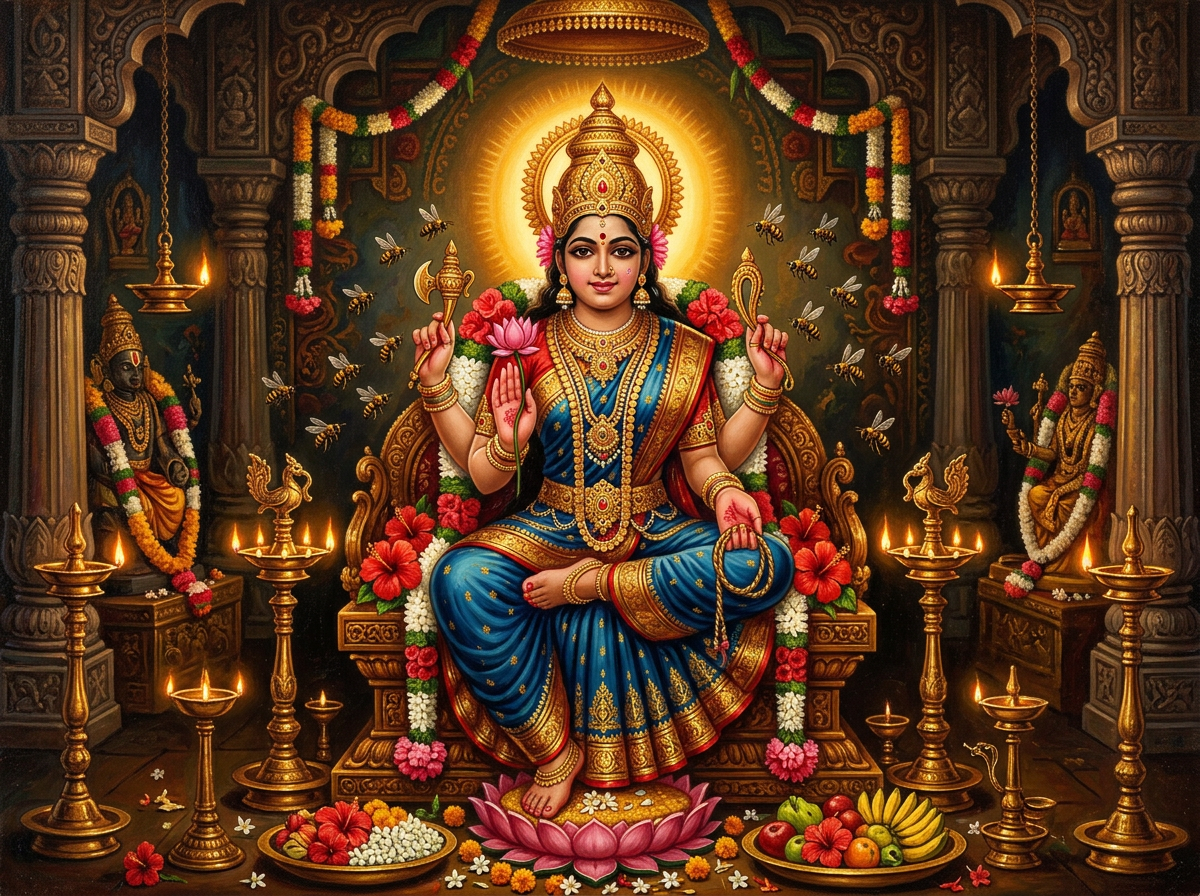
Devi of bees united with Shiva as one of the twelve Jyotirlingas.
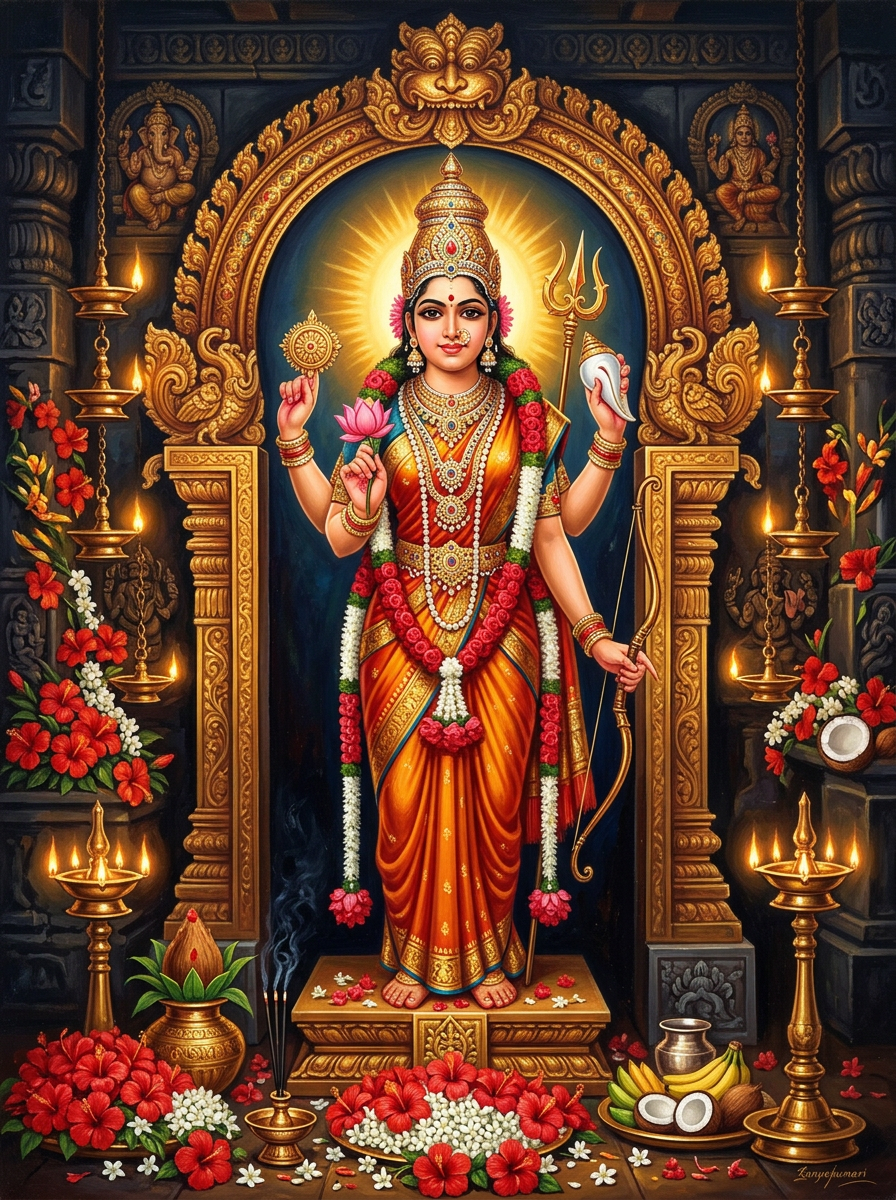
Virgin Devi gazing across three oceans at India's southern tip.
Eye of desire — the Devi who shapes the destiny of devotees.
Navel of the goddess on the banks of the Vaitarani river.
Tribal Devi of the Bastar plateau, fierce guardian of forests.
Devi worshipped at a remote desert shrine near the Indus.
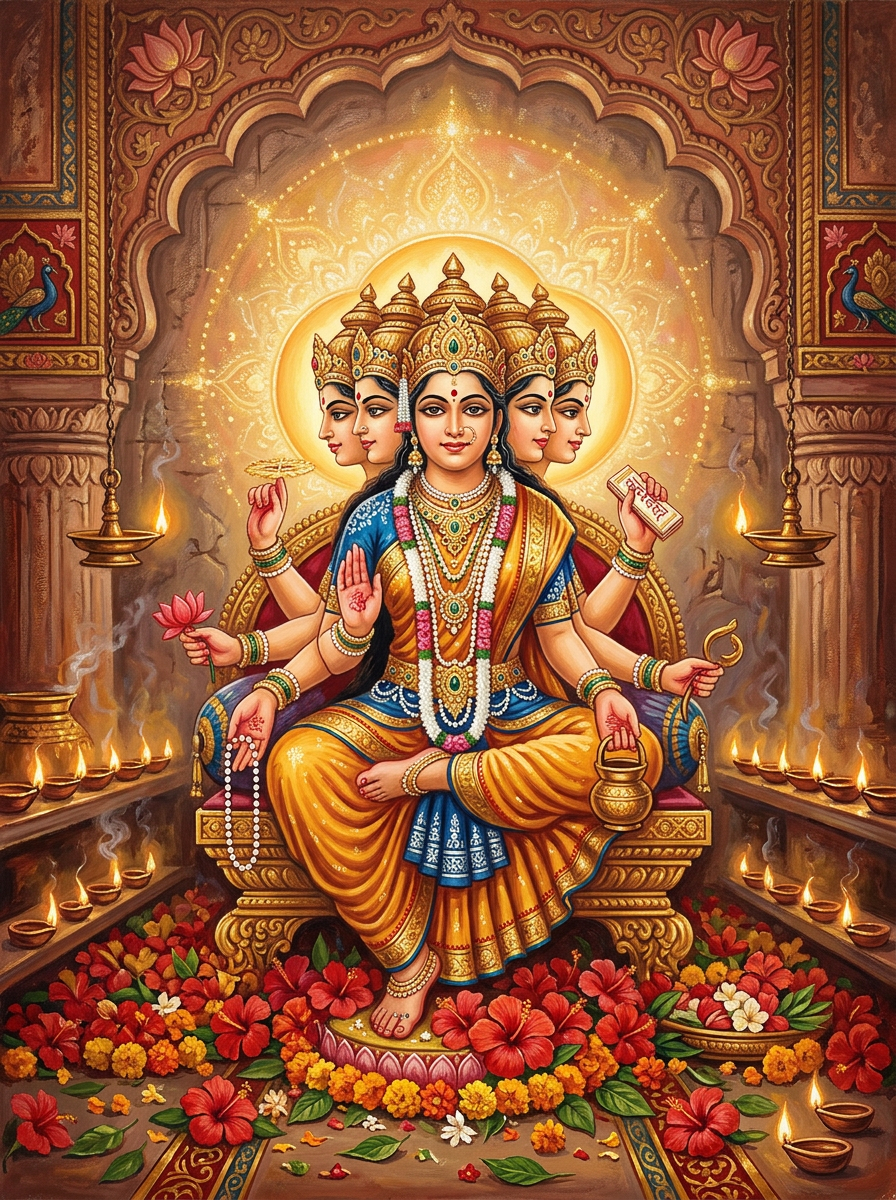
Devi of the sacred syllable Om, near the Pushkar lake.
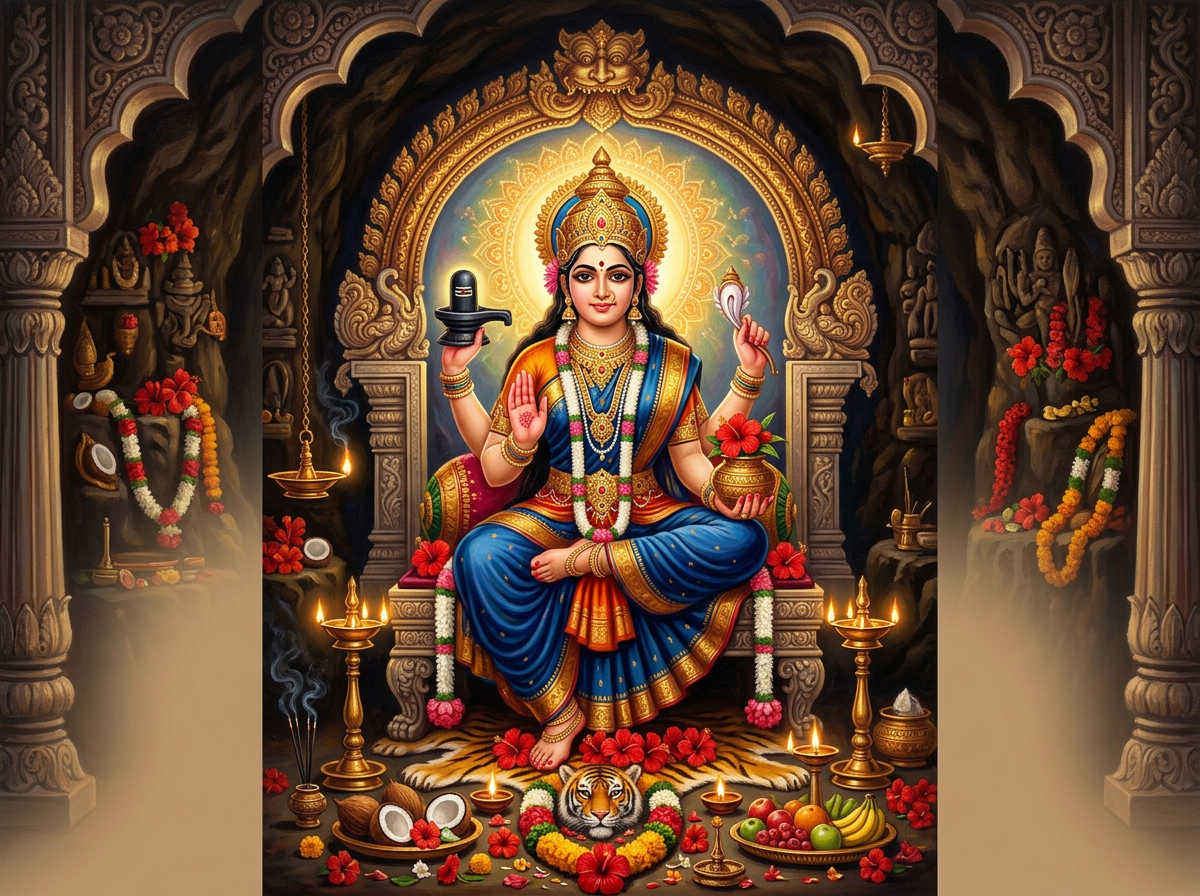
Cave of cosmic illusion where Shiva narrated the Amar Katha.
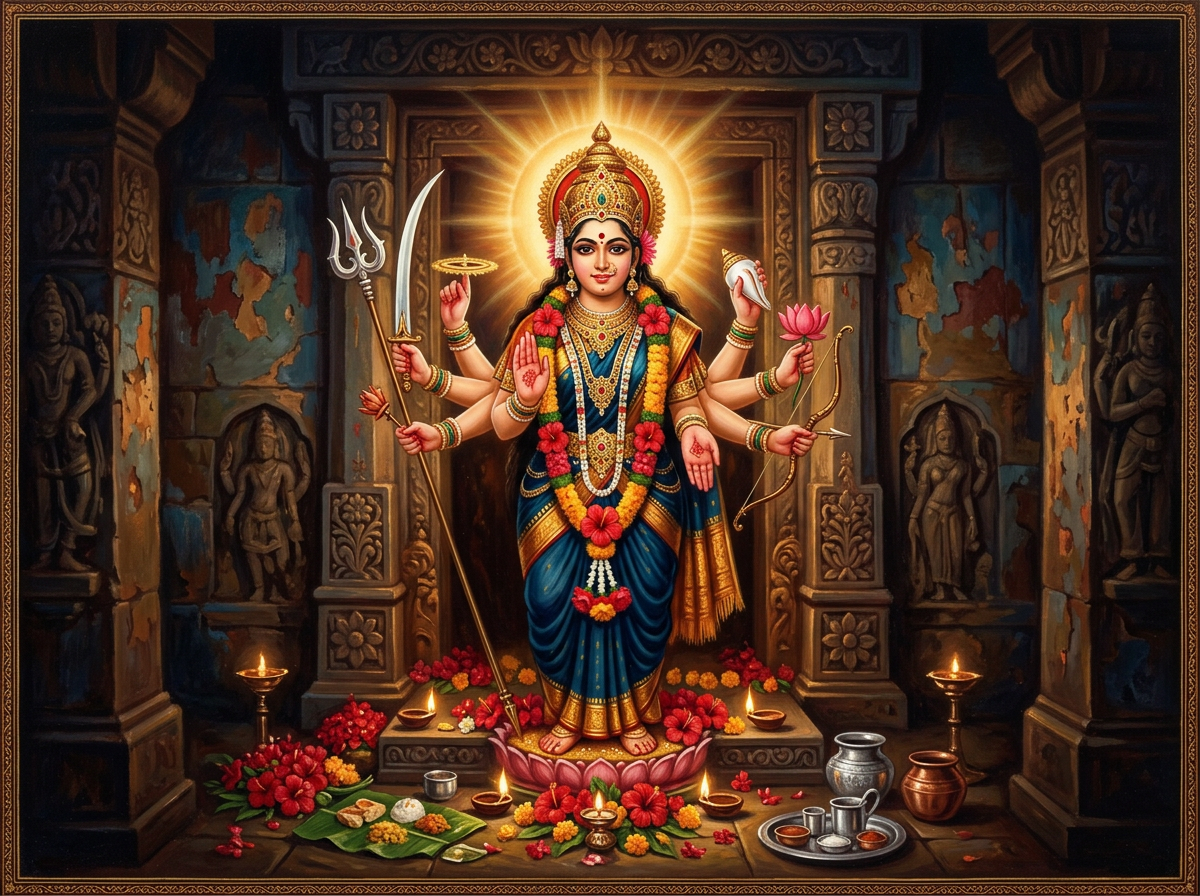
Devi of victory in the wild hills of the northeast.
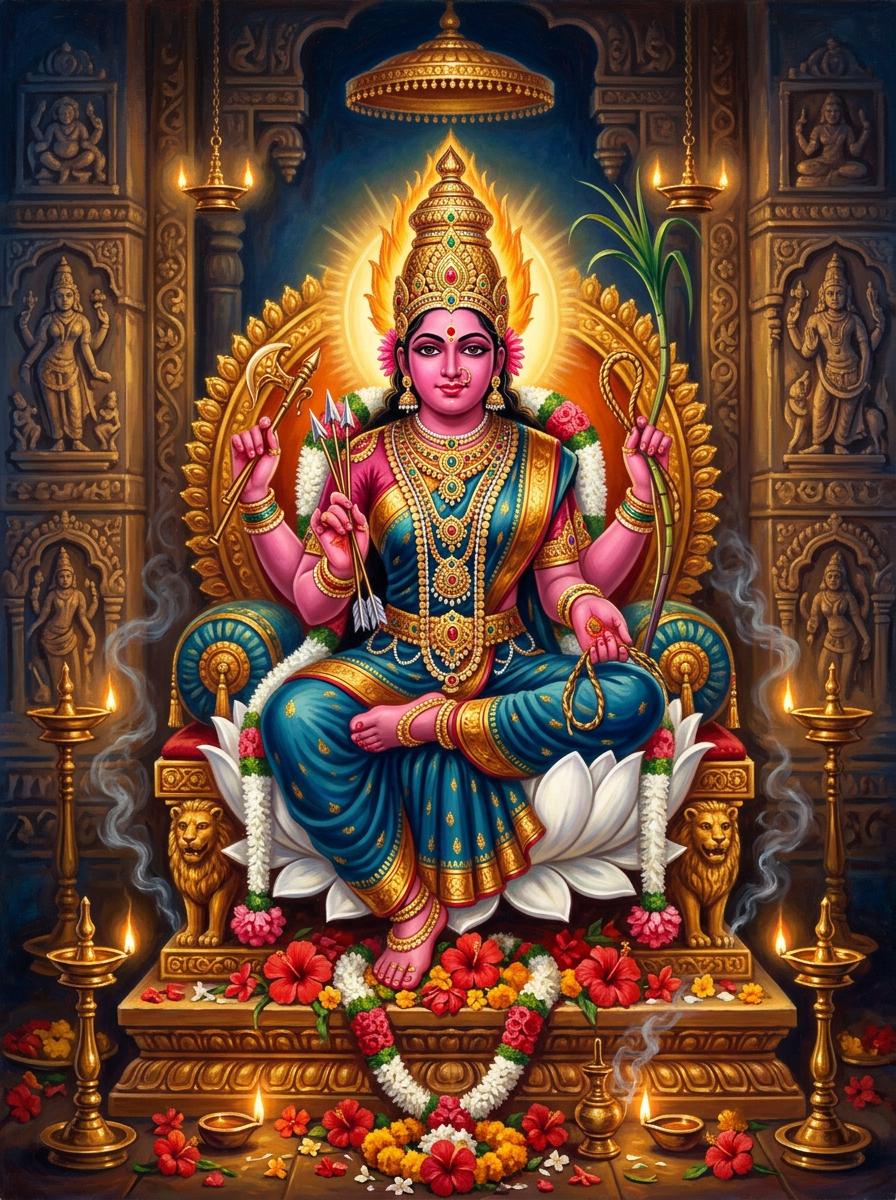
Beauty of the three worlds, supreme Devi of the Sri Vidya tradition.
Devi of the eastern shore, refuge of seafarers and pilgrims.
Devi of glory whose temple was once gilded with gold plates.
Devi of plenty by the river Ajay.
Devi who bestows auspiciousness on every undertaking.
Devi of the three streams of energy meeting under the Himalayas.
Devi of hot springs that heal body and karma.
Devi of skeletal essence, reminder of impermanence.
Devi of joy beneath an ancient banyan tree.
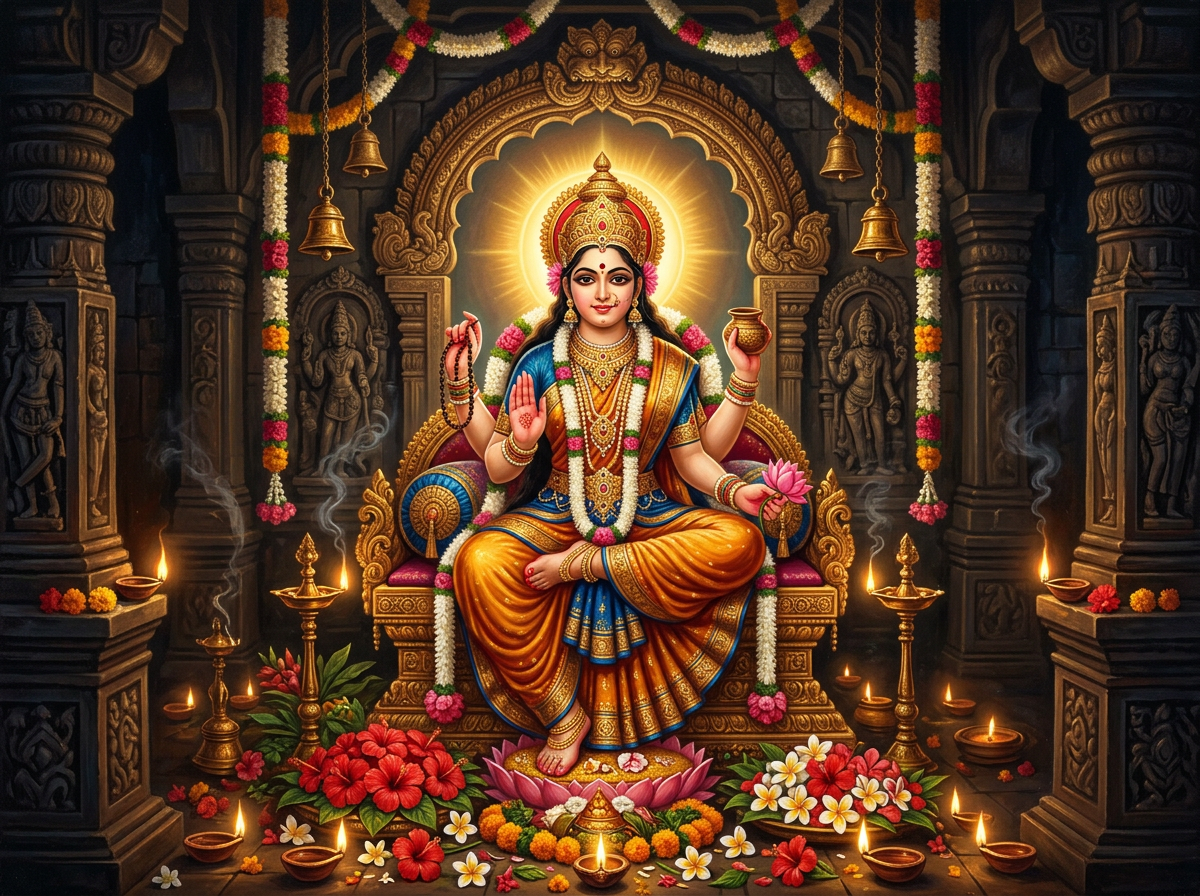
Devi whose name evokes the cosmic laughter of Shiva.
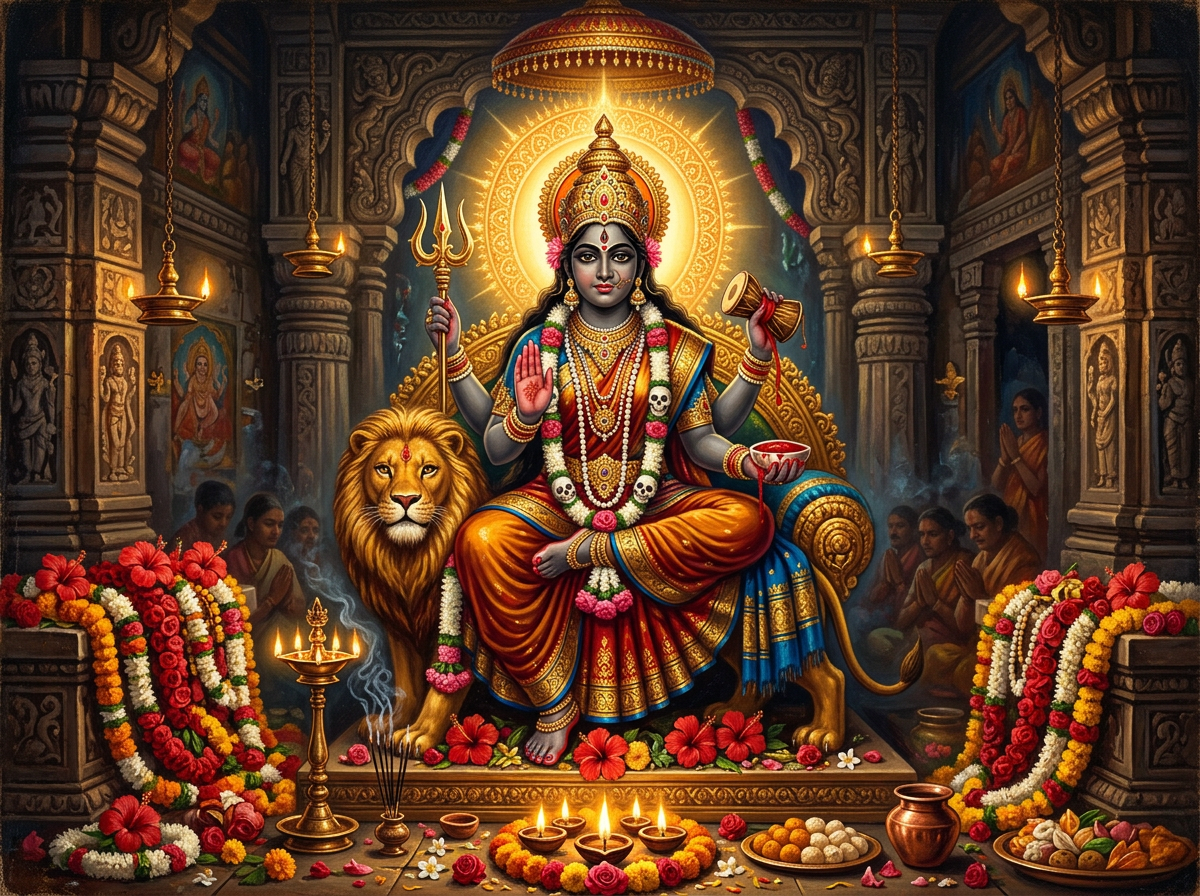
Devi of the skull-cup who liberates by stripping illusion.
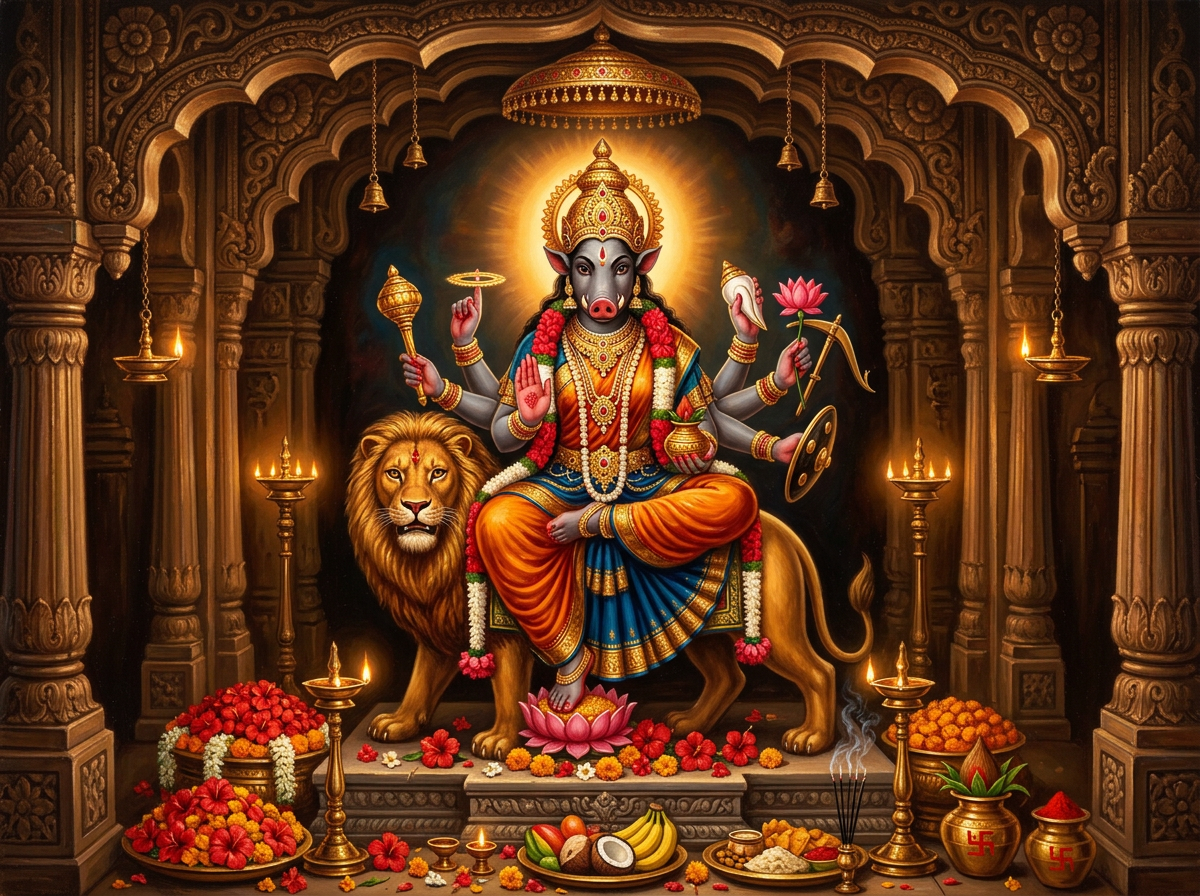
Devi with the boar face, fierce protector of dharma.
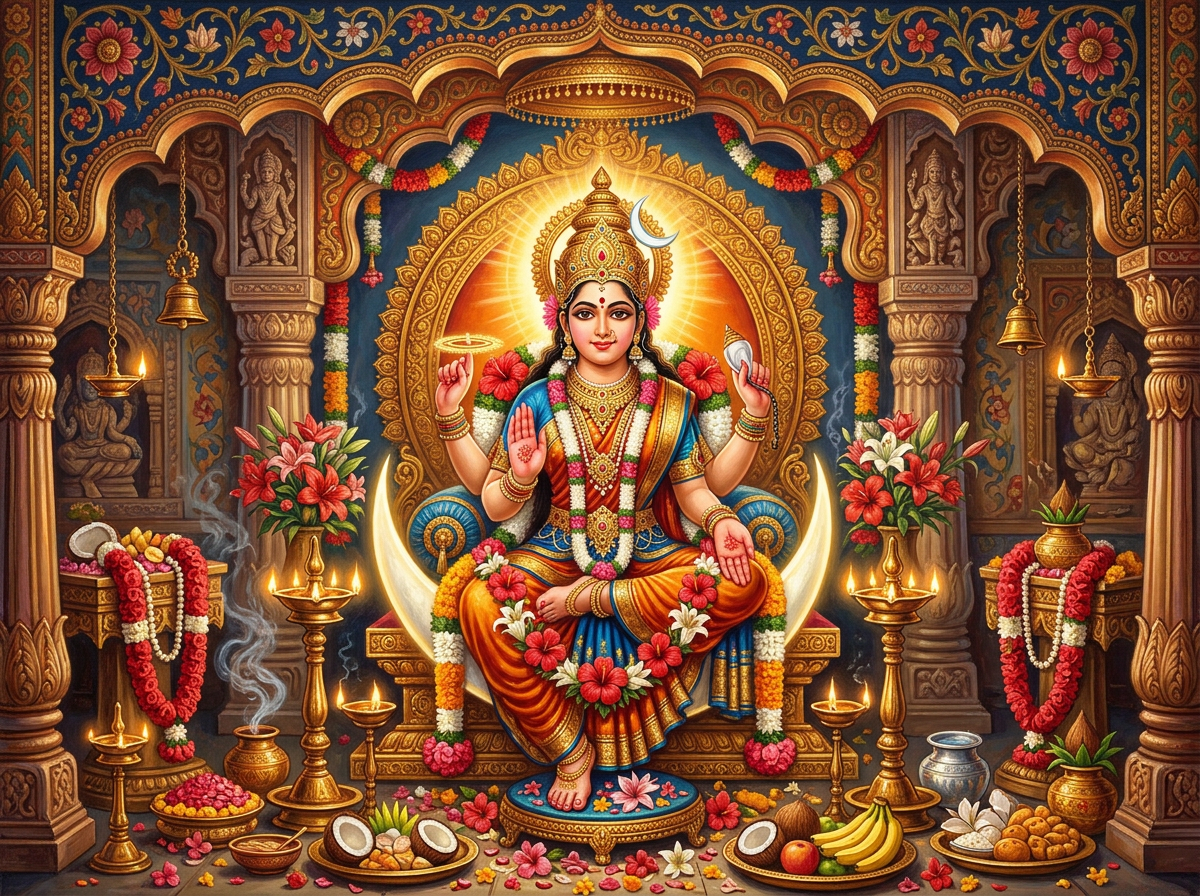
Devi at the meeting of three rivers near Somnath.
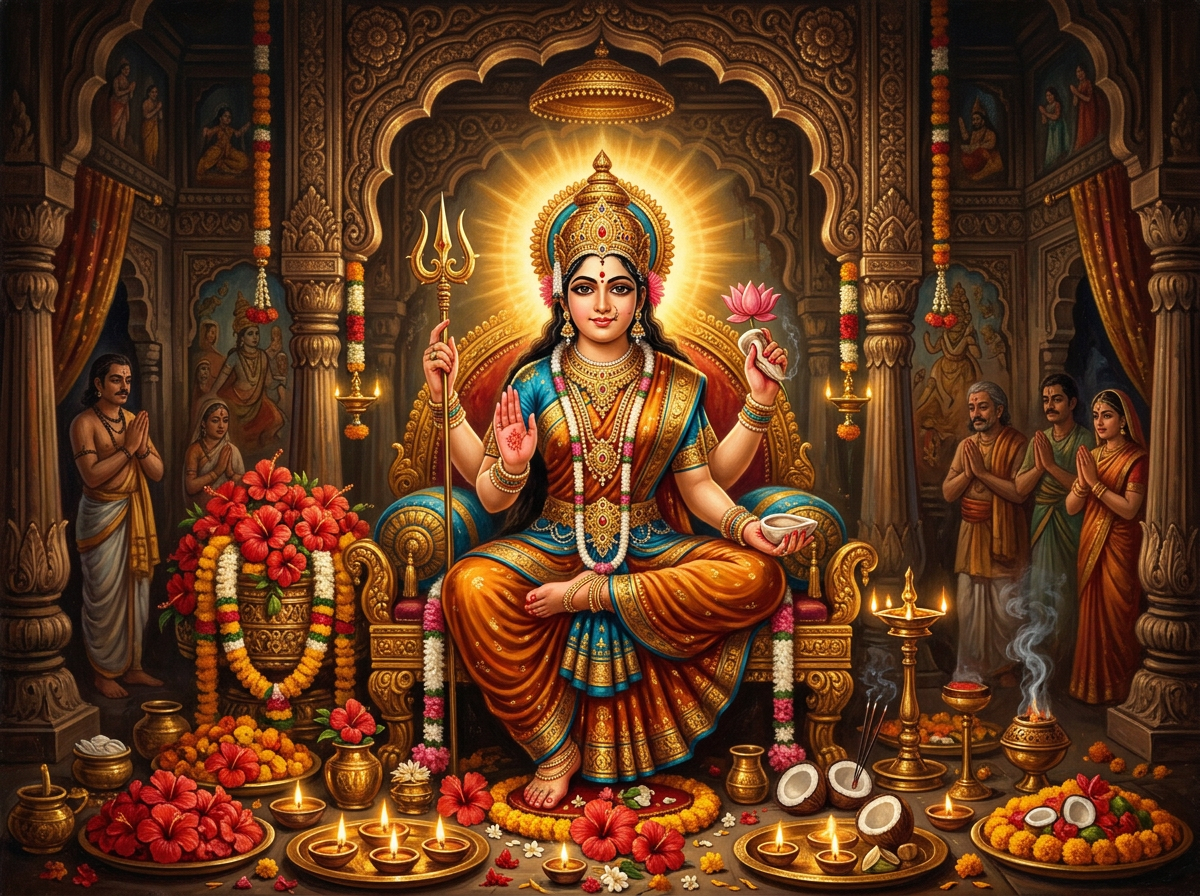
Devi of Avanti, the ancient name of Ujjain.
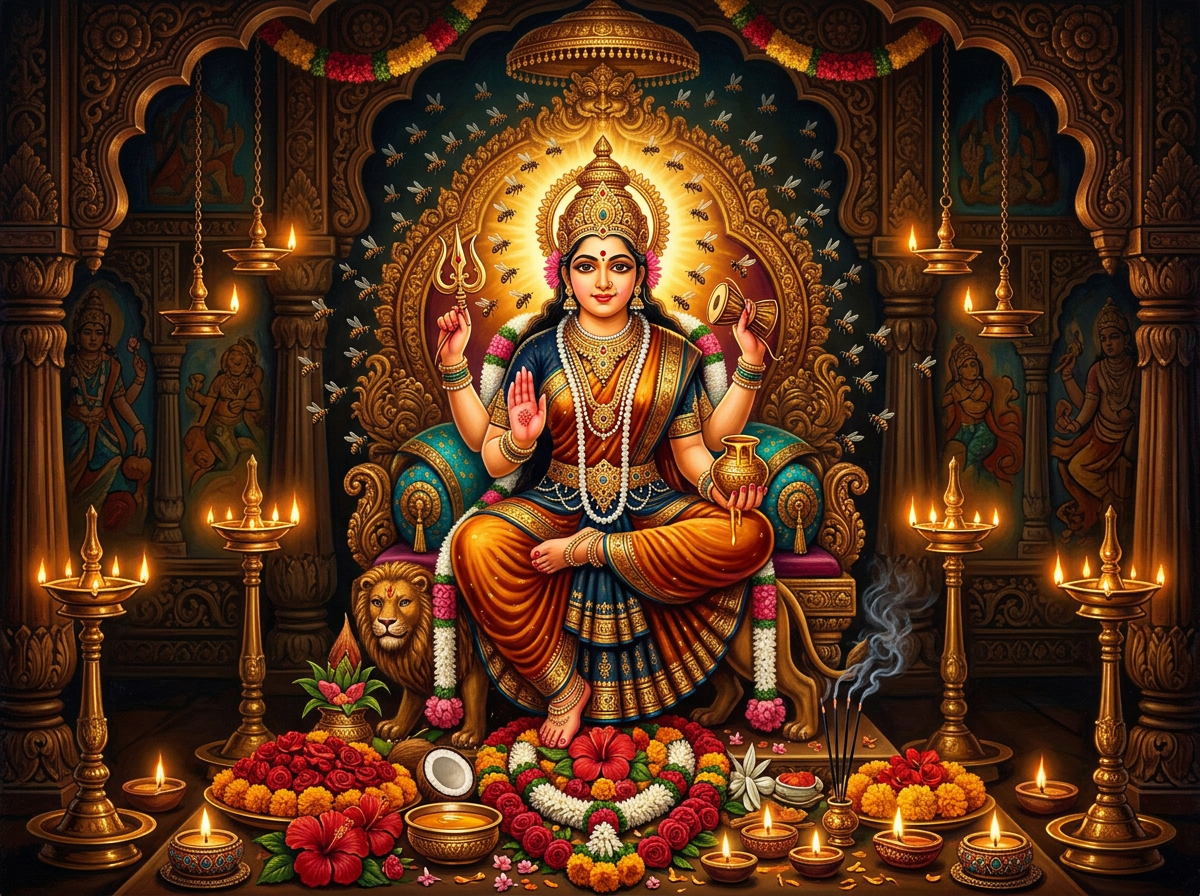
Devi who took the form of bees to slay Arunasura.
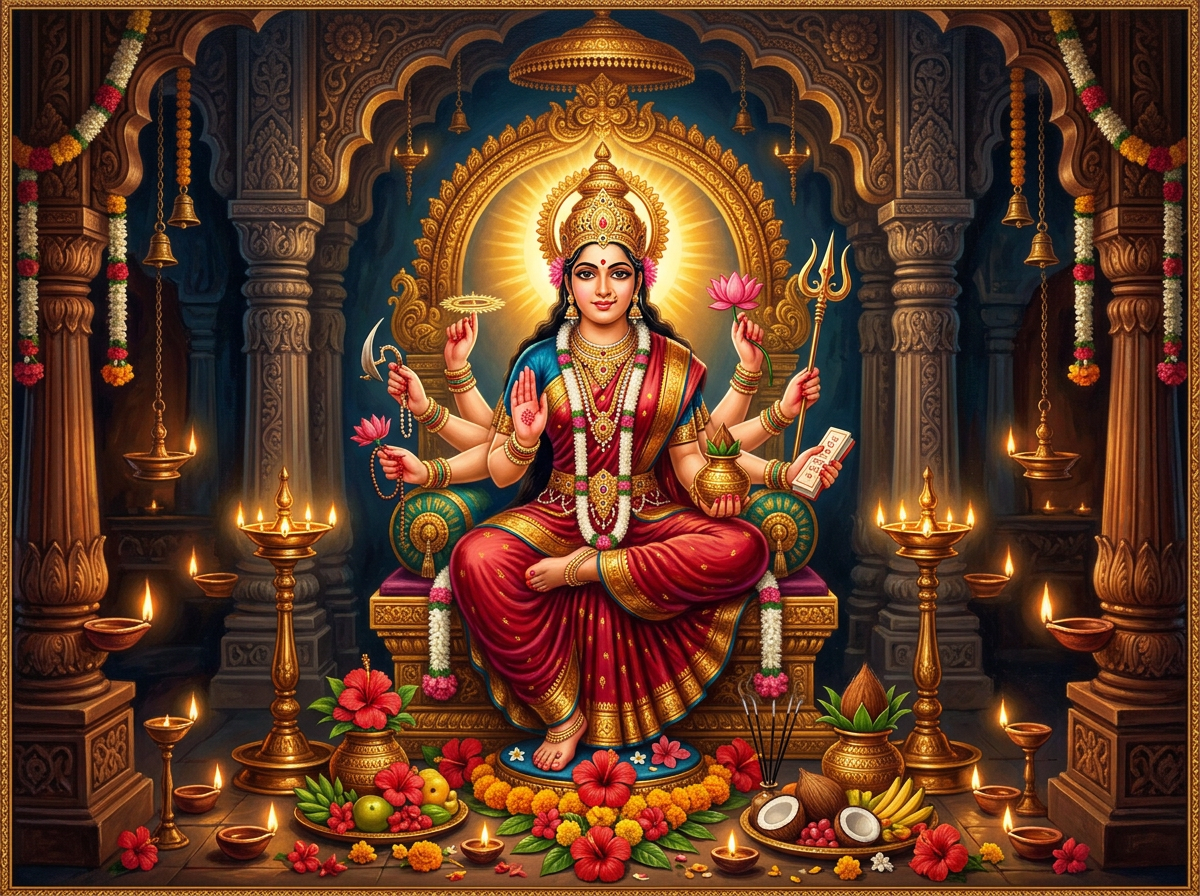
Devi of the dharma battlefield, mother of solar wisdom.
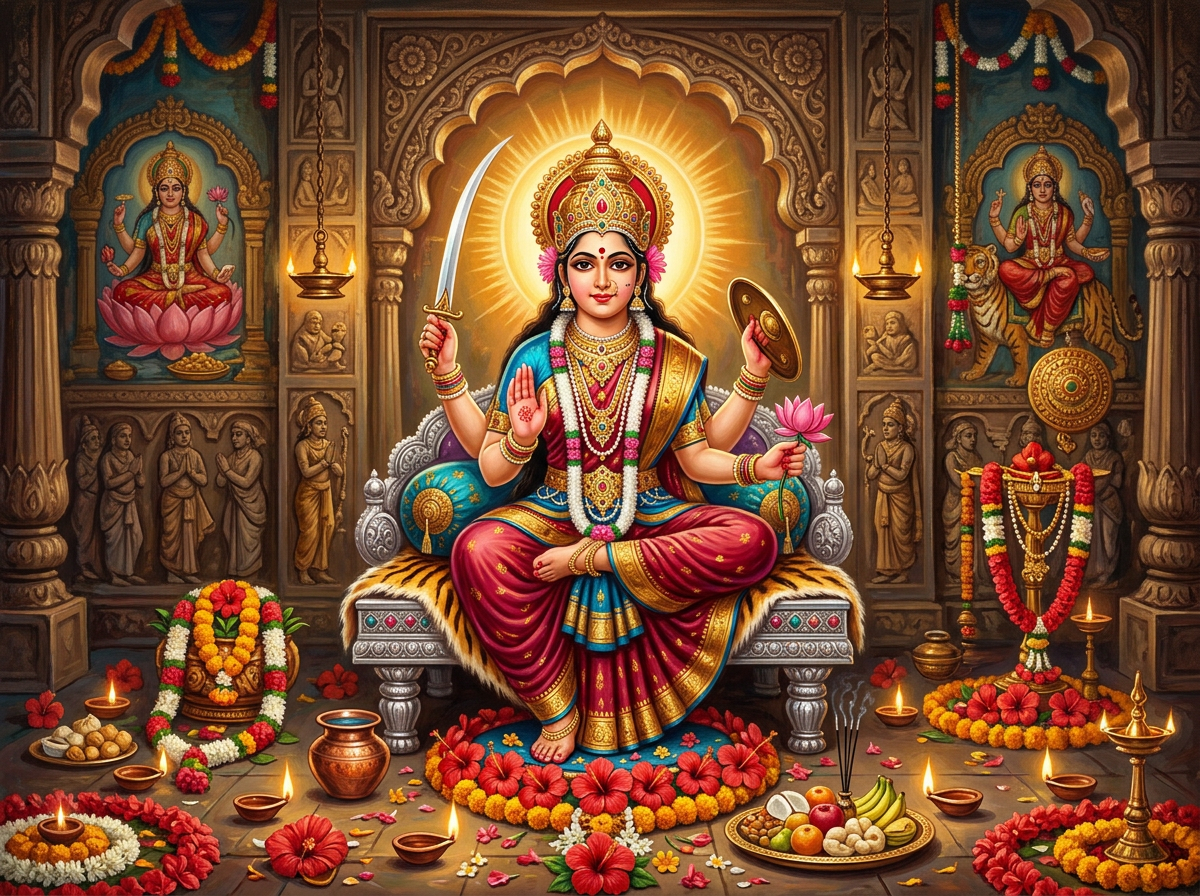
Devi of the fallen crown, ancient royal Shakti of Bengal.
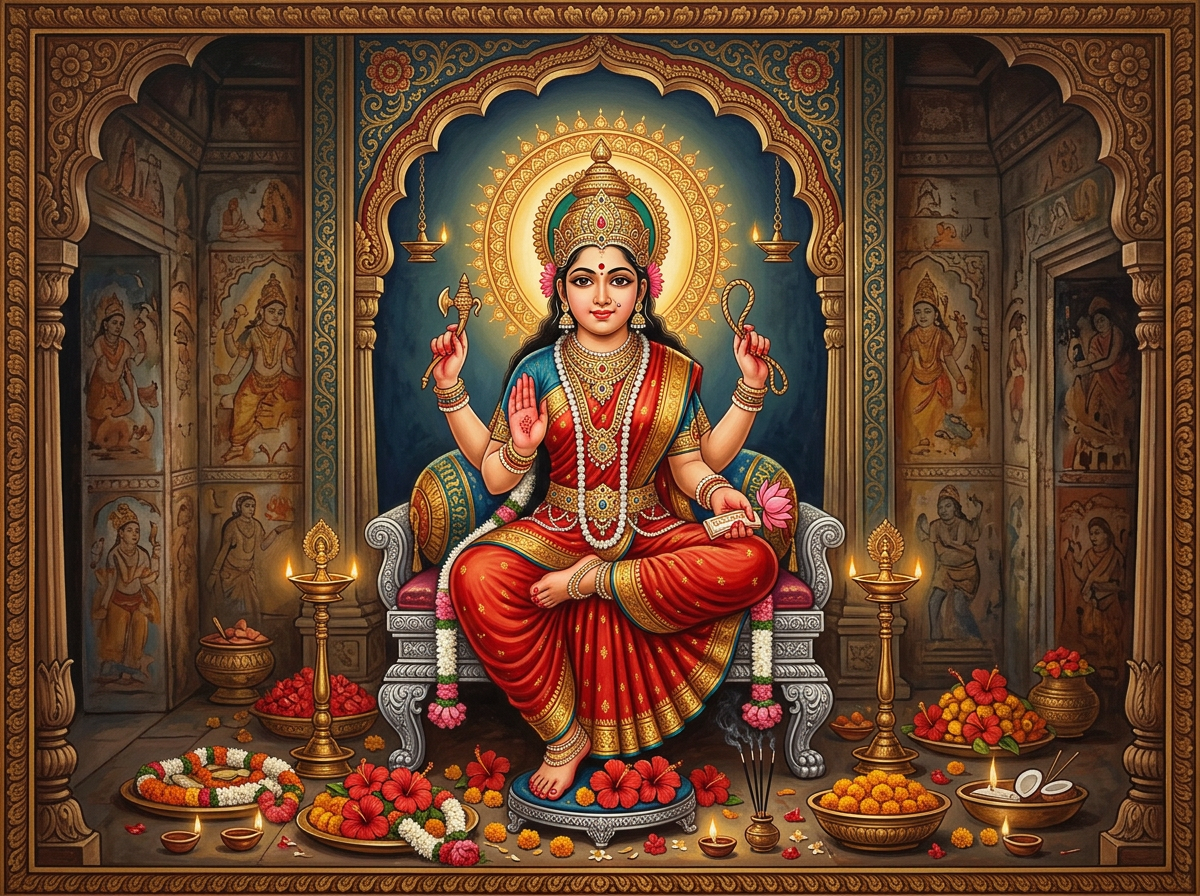
Devi as the eternal virgin, source of fresh creative power.
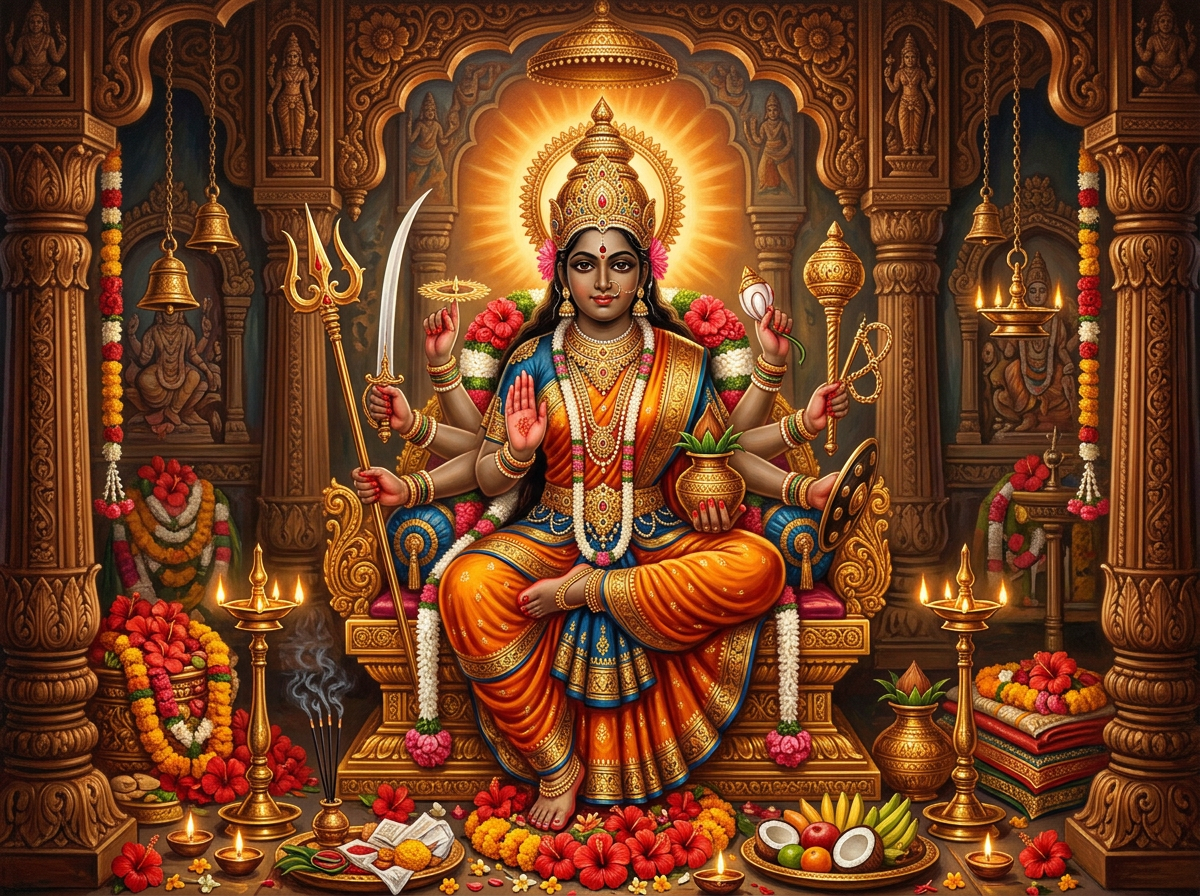
Hilltop Devi of the eastern coast.
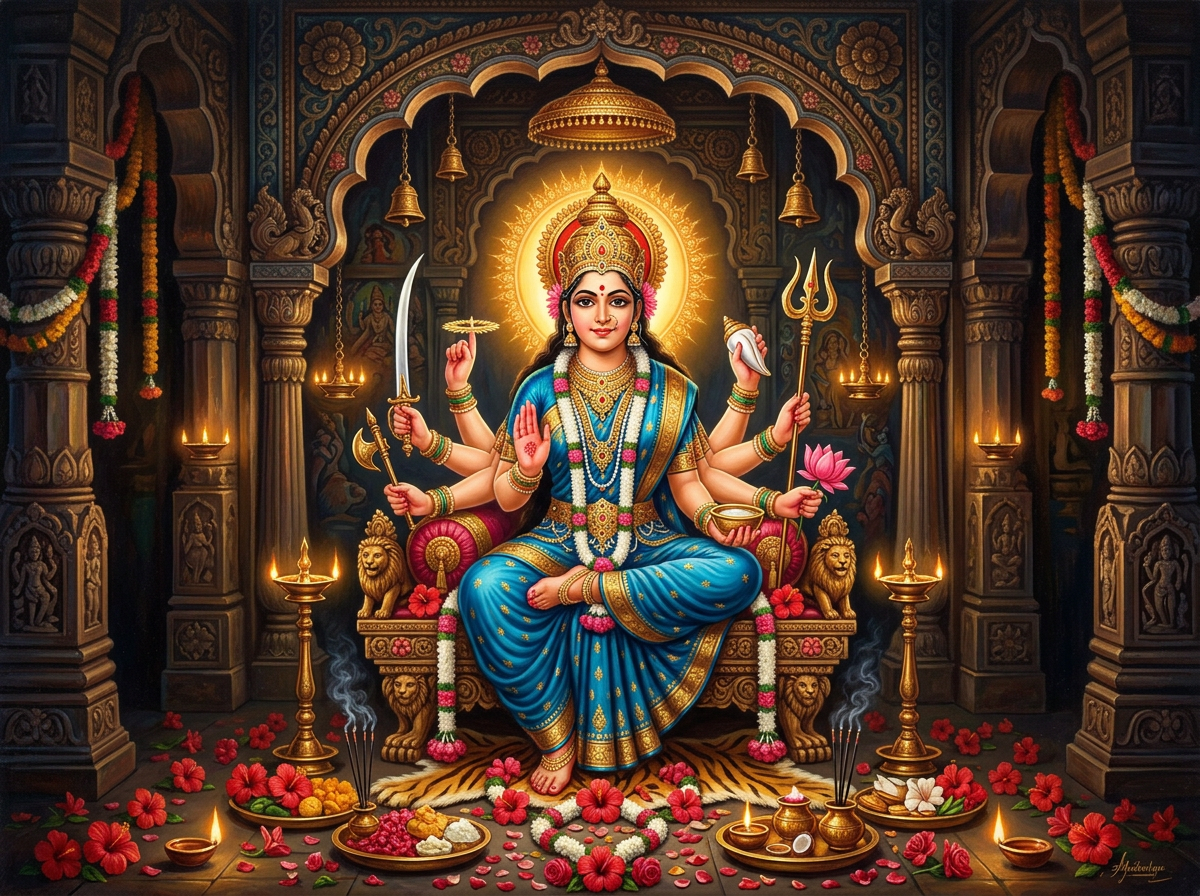
Devi of the cosmic Virat form, mother of all worlds.
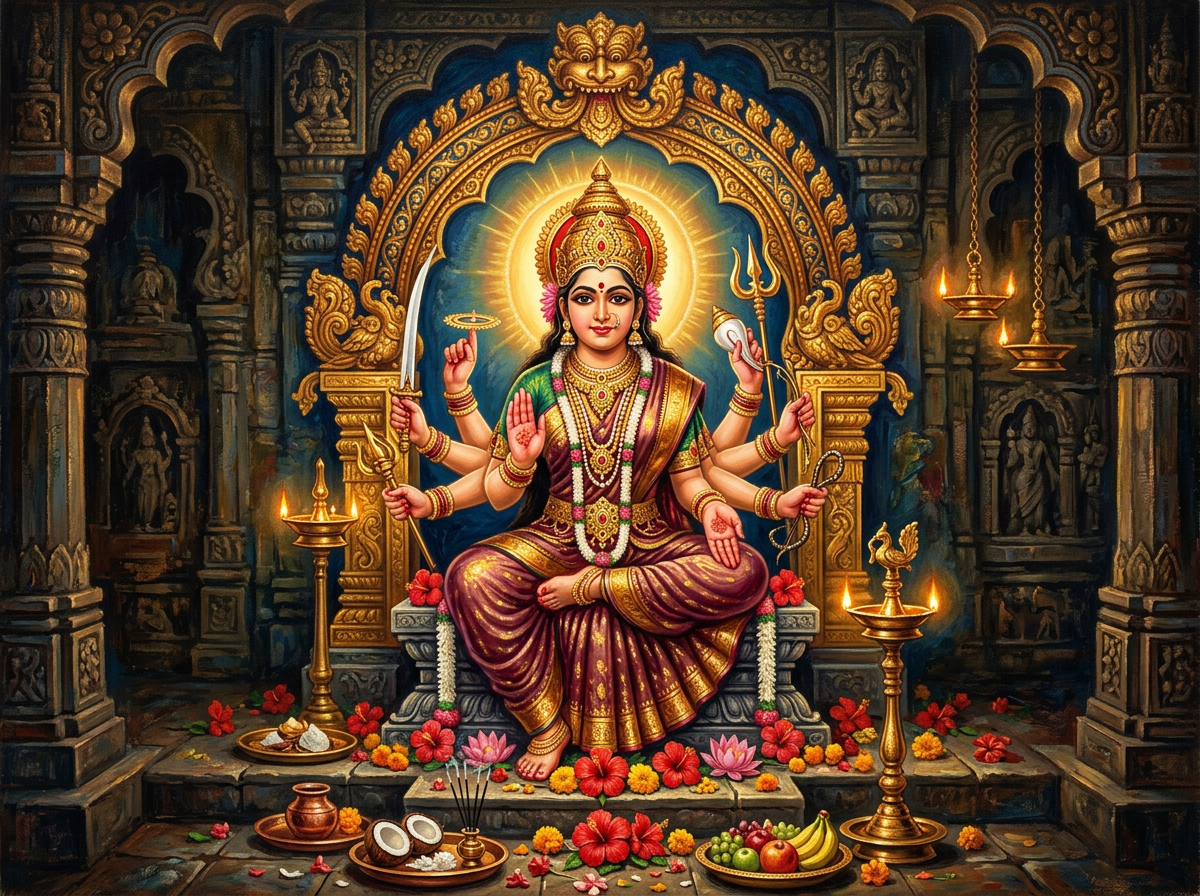
Devi of the great river Godavari.
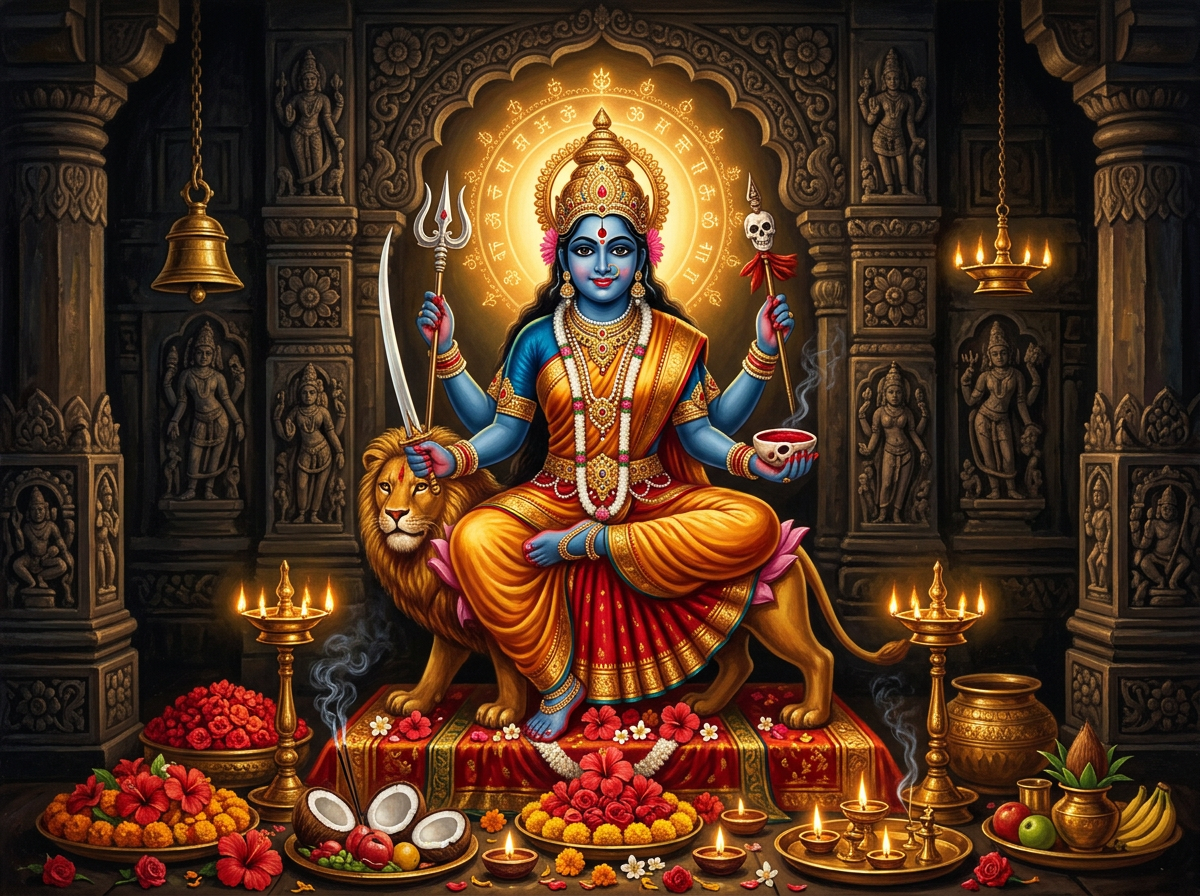
Devi of the inner seat of vital fire.
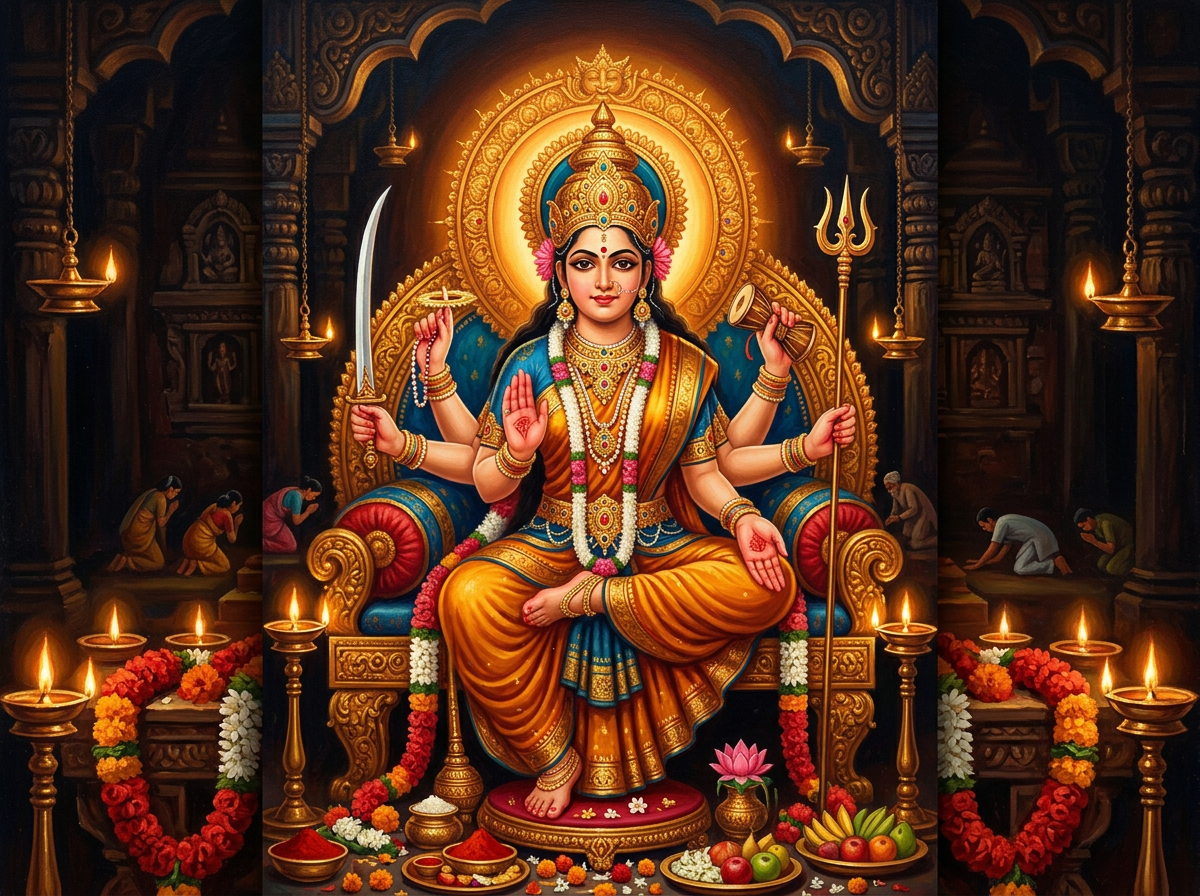
Hidden Devi of the secret cave behind Pashupatinath.
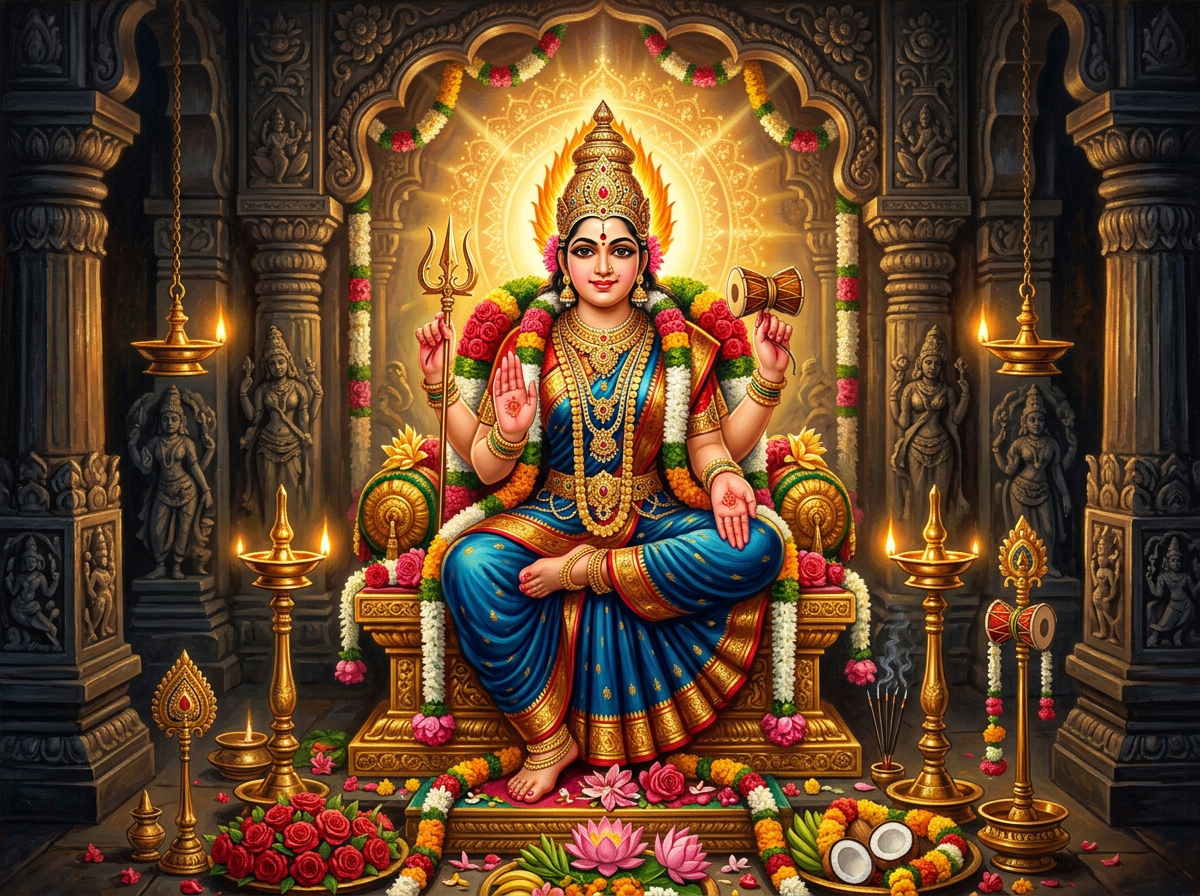
Island Devi at the eastern edge of the subcontinent.
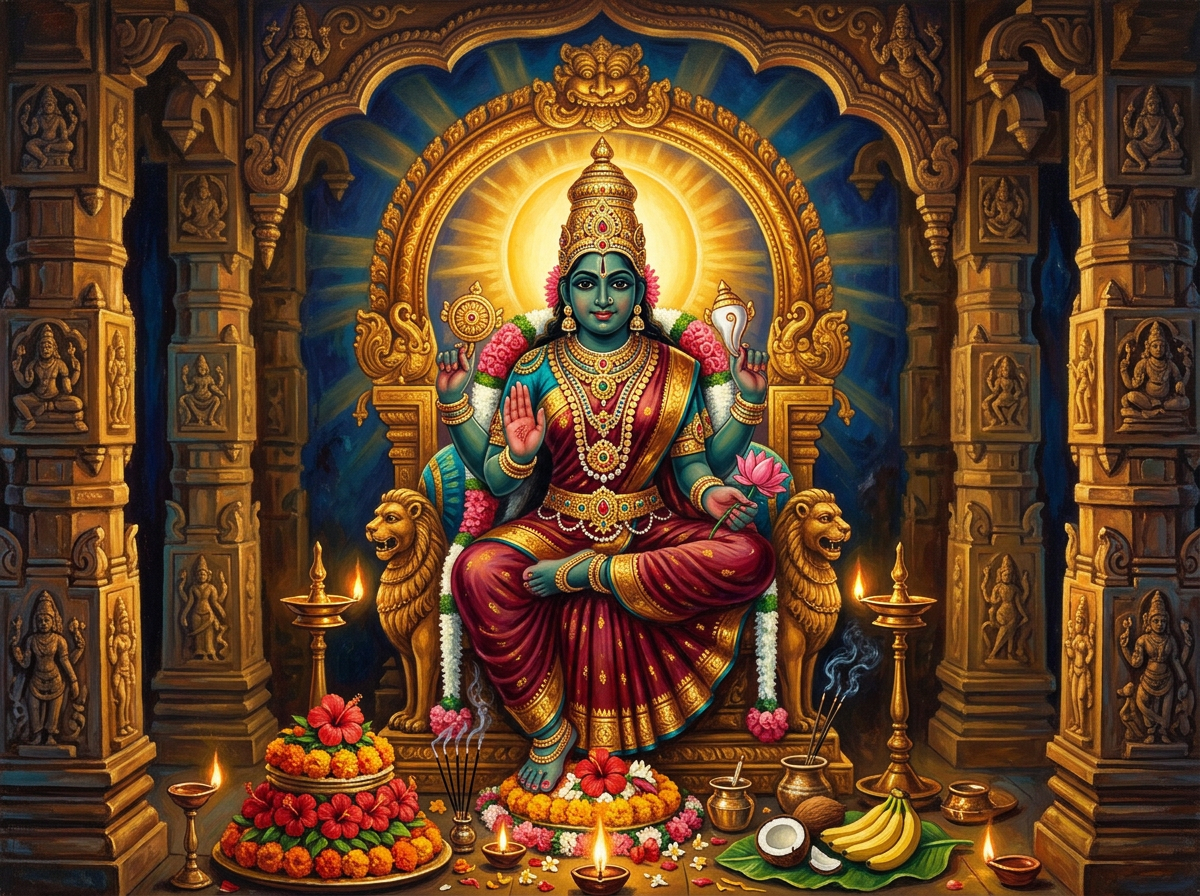
Devi of purity at the southern Shiva-Vishnu-Brahma temple.